Pregnancy is a beautiful time in an expectant couple's life, but it’s also a stressful one. Mothers go to endless doctor's appointments, take extra supplements, manage their diets very carefully, and experience a myriad of physical changes. The experience is challenging enough without worrying whether the baby will be healthy at birth.
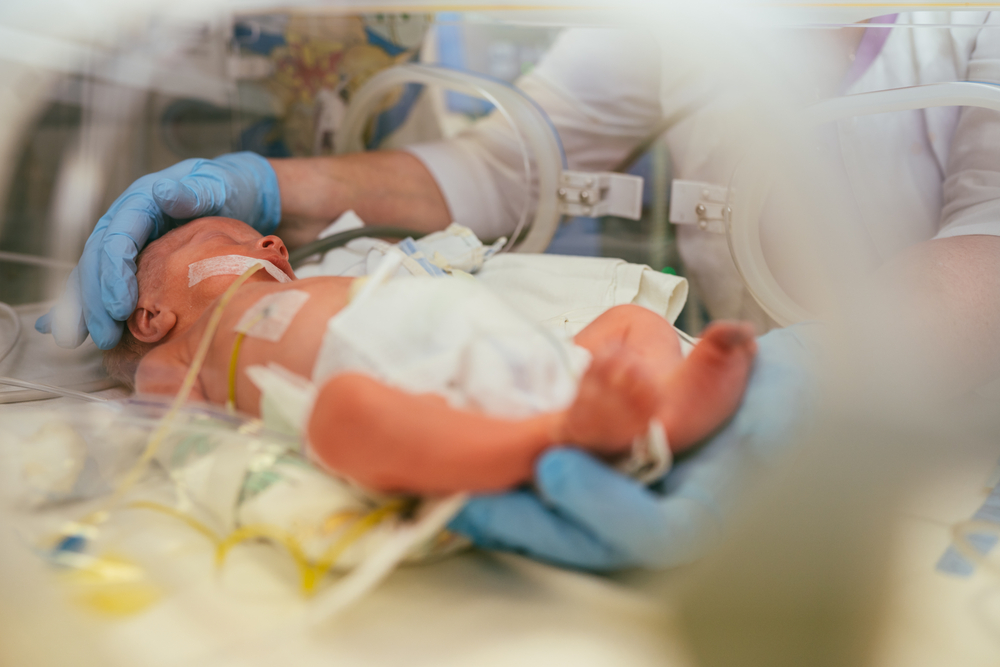
Unfortunately, complications can arise, and tragedy can strike. One devastating health condition an infant can develop is necrotizing enterocolitis, or NEC. This disease attacks the infant’s intestines, mainly those born premature (preemies). Bacteria can invade and inflame the intestinal walls, creating a hole that allows waste to leak into the stomach. If not treated quickly, it can be fatal.
What Causes NEC in Babies?
No one specific thing causes necrotizing enterocolitis, but because preemies are underdeveloped, to begin with, their lungs and intestines aren’t as strong. Their bodies cannot carry blood and oxygen around as usual, making them more susceptible to infection.
One likely cause, according to recent research, is a diet of cow’s milk-based, or bovine, baby formula made specifically for preemies. One study found that infants fed this cow’s milk-based formula were twice as likely to develop NEC as those who consumed natural breast milk.
Manufactured cow’s milk-based formula is harder for babies to digest than breast milk, but many preemies cannot breastfeed because they are not strong enough to latch on to their mothers. Additionally, some mothers cannot produce enough breast milk or access donor milk. Baby formula is routinely given to preemies in the neonatal intensive care unit (NICU).
Similac and Enfamil, popular cow’s milk-based formula brands, face a slew of NEC baby formula lawsuits from parents whose preemies consumed it and developed NEC shortly after. Many babies died because their NEC was so severe.
What Babies Are Most at Risk of NEC?
While NEC is rare, it affects about 1 in 1,000 babies weighing under 3.25 pounds. Other high-risk infants include those who struggle during delivery, have low oxygen levels, have too many red blood cells, or have pre-existing gastrointestinal issues.
NEC Symptoms in Babies
Recognizing necrotizing enterocolitis can be difficult because many of its symptoms overlap with those of other digestive problems. They typically set in within two weeks after birth. If your baby is exhibiting any of these symptoms, see your doctor immediately.
- Swollen, red, or tender belly
- Trouble feeding or food remaining in the stomach too long
- Green vomit or stomach fluid
- Diarrhea, constipation, and/or bloody stool
- Lethargy and low heart rate/blood pressure
- Pauses in breathing (apnea)
- Slow/unstable body temperature
Diagnosing NEC in Infants
Diagnosing necrotizing enterocolitis begins with an X-ray. The doctor will be looking for gas or air bubbles in the intestinal wall. If the condition appears serious, it may be necessary to insert a needle into the baby’s belly. If fluid leaks out, that signals a hole in the intestines.
Blood tests will confirm the diagnosis by showing a low white blood cell count. White blood cells are what fight off infection in the body.
How Do You Treat NEC in Babies?
The course of treatment is unique to each baby and depends on several factors, including the degree of prematurity, the severity of NEC, and overall health and medical history. Treatments may include:
- Temporary pause in feeding replaced by IV fluids
- Inserting a nasal tube into the stomach to empty fluid and keep it out
- Antibiotics
- Regular x-rays
- Breathing assistance if the belly is very swollen
- Quarantine from other babies
Surgery may be required if the NEC is severe or doesn’t resolve within a week. The surgeon will remove dead tissue and ruptured parts of the intestine. Sometimes an ostomy, a separate surgery that connects the bowels to an opening in the abdomen, is necessary. The opening will be closed in 6-8 weeks.
Most NEC babies make a full recovery; some may struggle for a while with digestive and absorption problems. Breast milk is the only proven option for preventing NEC in preemies; many NICU nurses are already replacing formula with donor breast milk.
Scientists are working on several promising treatment alternatives, including probiotics to improve gut health and stem cell therapy.
NEC Baby Formula Lawsuits
While necrotizing enterocolitis is rare, it is one of the leading causes of death in premature babies. Research has shown that breast milk is best for premature infants, but new parents who probably don’t know anything about NEC may choose formula for convenience or if the mother struggles to breastfeed. And while most baby formulas are perfectly safe for fully developed babies, the link between Similac and Enfamil and NEC in preemies is clear.
The manufacturers of Similac (Abbott Laboratories) and Enfamil (Mead Johnson) are facing NEC baby formula lawsuits from plaintiffs (parents) who allege that the manufacturers knew about the risks of NEC and still marketed the formulas as safe for premature babies.
Mead Johnson and Abbott both deny the necrotizing enterocolitis allegations. Abbott claims that NEC is “naturally occurring” and can develop in babies who consume formula, breast milk, or a combination of both.
What If My Infant Gets NEC After Consuming Baby Formula?
If your newborn develops necrotizing enterocolitis and you suspect a cow’s milk-based formula is the culprit, you may want to consider contacting a lawyer experienced in product liability, negligence, or wrongful death. Even if your baby’s NEC was mild, you can’t be sure it won’t damage their health in the future. If the court finds that manufacturers knowingly concealed the risks of the disease from consumers, plaintiffs are likely to prevail.
Possible compensation you can recover includes medical bills, lost wages, pain and suffering, and more. Parents who fight to hold these companies accountable for endangering their precious newborns will help protect future babies from the same tragic consequences.