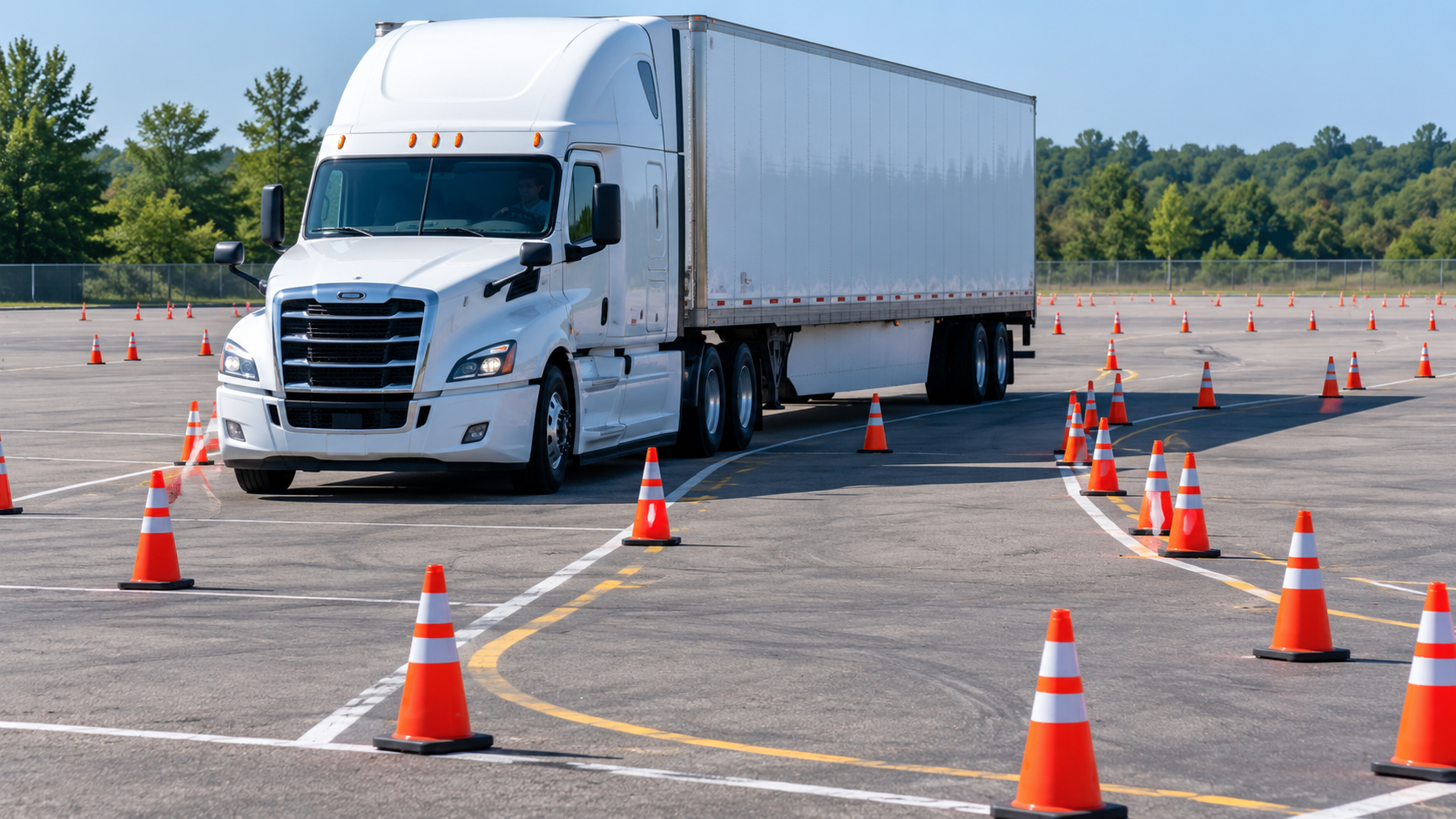
Federal investigations are raising new questions about how commercial drivers are trained, who oversees training providers, and what those safeguards mean for people sharing the road with large trucks.
A Virginia driver can face an open container charge even if only a passenger held the bottle or cup of beer, wine, or liquor. That matters a great deal in
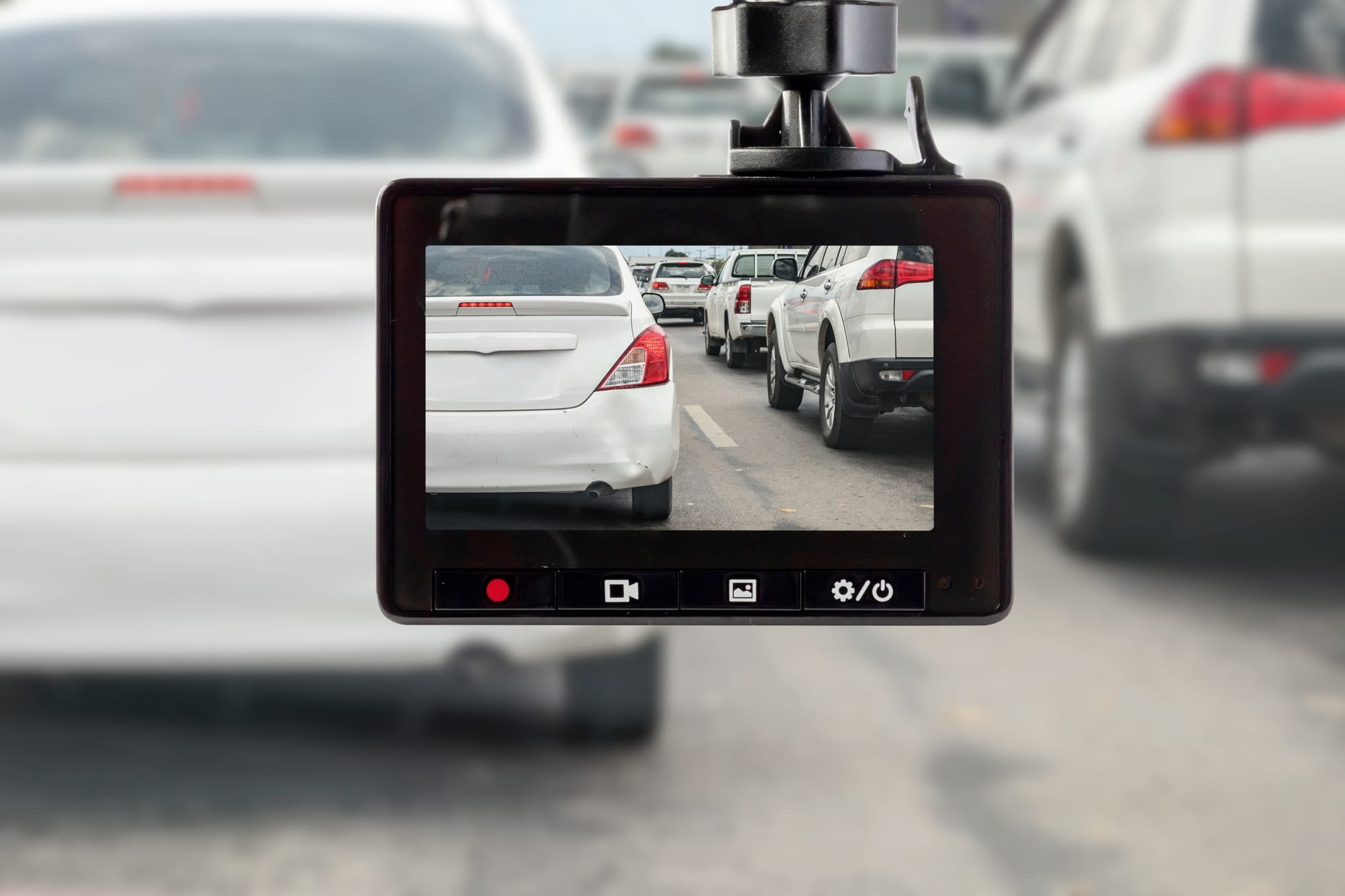
Dash cam footage can provide critical evidence after a North Carolina car accident, especially when drivers disagree about fault or an insurer tries to shift blame.
Rush hour can wear down even a seasoned driver. Congested roads, impatient motorists, and unpredictable delays all raise the odds of a crash, and in Hampton Roads the bridge-tunnels
Hitting the accelerator instead of the brake can turn an ordinary stop into a serious crash. When pedal error causes injuries, determining why it happened can reveal who may be held responsible.
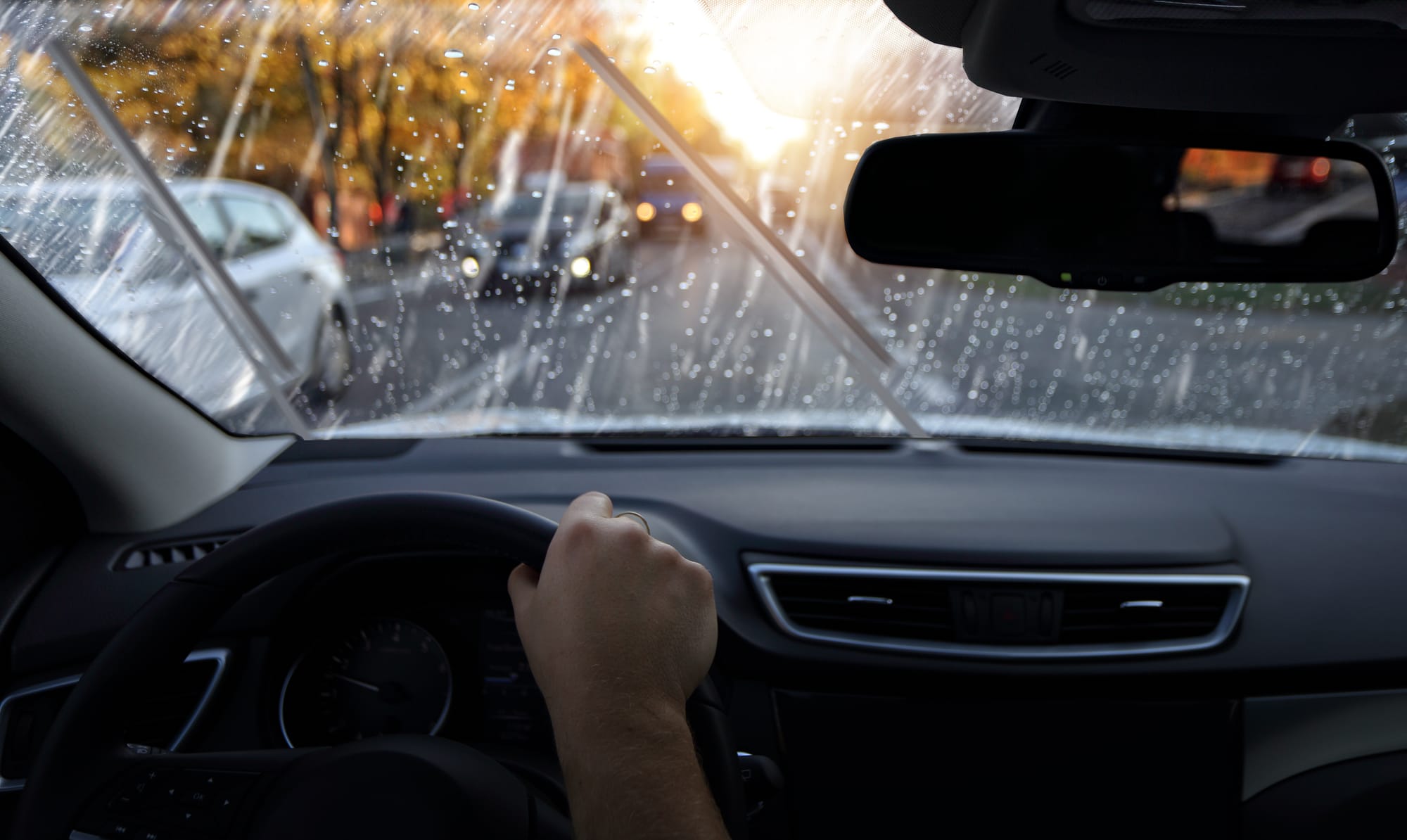
Wet roads, standing water, hydroplaning, and poor visibility can make driving dangerous. When motorists fail to adjust to heavy rain, serious crashes can follow.
Collisions, capsizing, dangerous weather, and operator mistakes can turn a sightseeing trip into an emergency. When passengers are seriously injured, determining what went wrong may require a complex investigation.
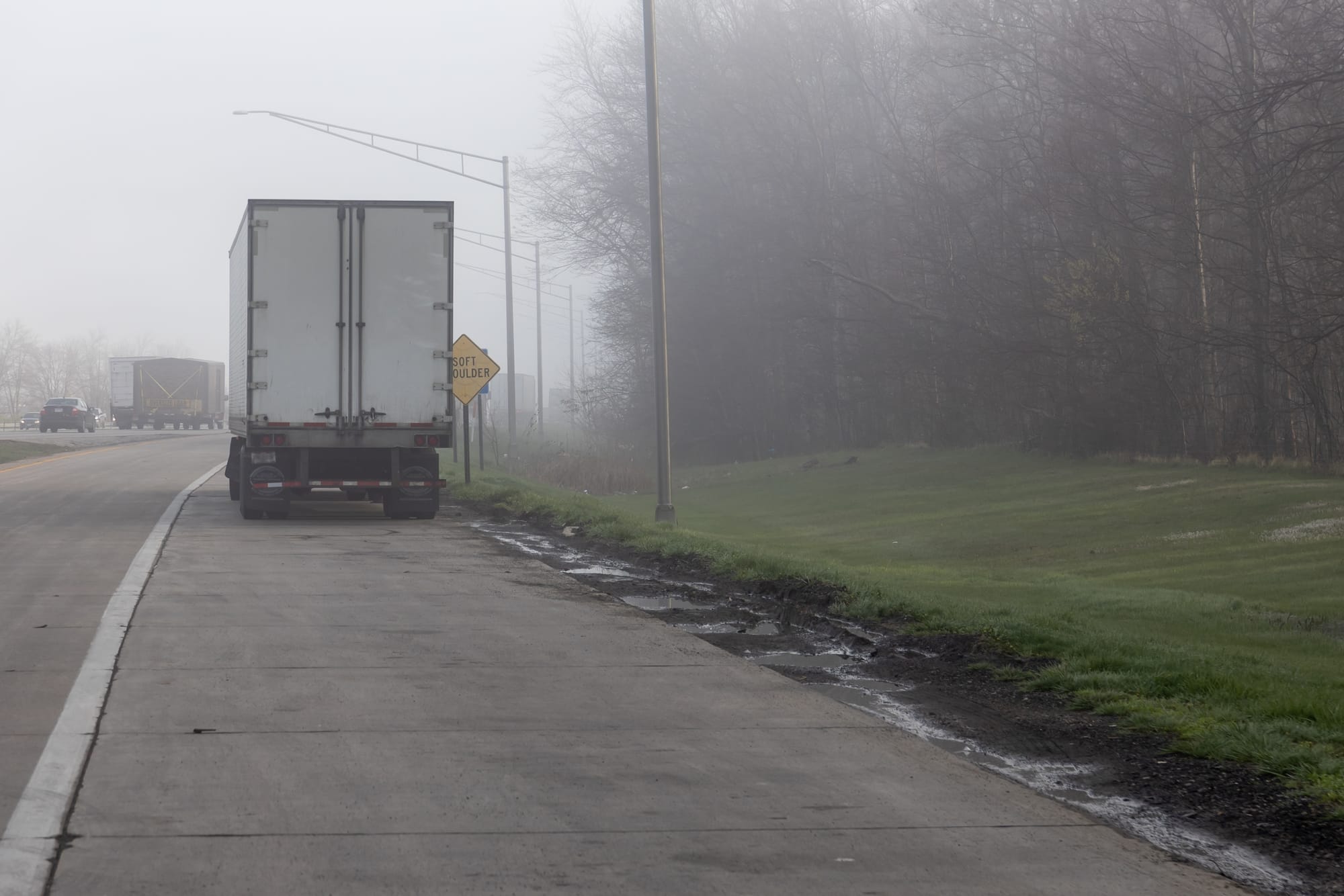
Parked tractor-trailers can turn interstate shoulders and recovery areas into dangerous obstacles for motorists. Learn why roadside truck parking remains a highway safety concern and what Louisiana data reveals about the risks.
A deadly Raleigh accident shows why airport shuttle passenger claims may require a closer look at negligent drivers, transportation companies, insurance coverage, child injuries, and wrongful death laws.
Raleigh has adopted a Safe Streets for All plan aimed at reducing fatal and serious crashes. Learn what the plan means for drivers, pedestrians, road safety, and car accident claims.