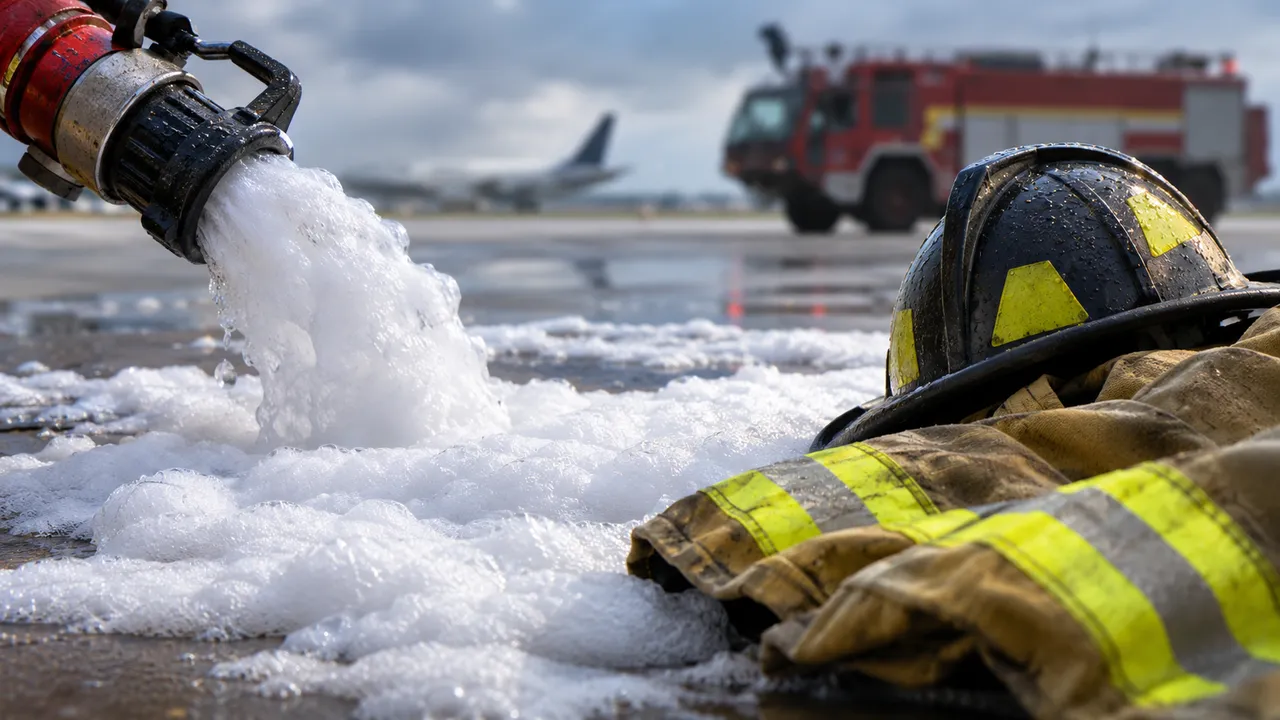
After nearly eight years of federal litigation, 3M has agreed to pay $7.35 billion to resolve personal injury lawsuits involving PFAS chemicals in firefighting foam. The settlement could compensate tens of thousands of people who allege they developed cancer and other serious illnesses after exposure to the toxic chemicals.
Announced on November 3, 2026, the PFAS firefighting foam settlement with 3M addresses approximately 99% of current personal injury claims against the company, including most cases in the aqueous film-forming foam (AFFF) multidistrict litigation (MDL) in South Carolina.
The settlement is a significant step toward resolving years of litigation. However, injured firefighters, military personnel, and their families still face uncertainty about who qualifies for compensation, how much they may receive, and how long they'll have to wait.
It also raises a common concern in mass tort litigation: whether enough compensation will be available for people who develop cancer or other PFAS-related illnesses in the future.
3M PFAS Firefighting Foam Settlement Details
According to 3M, approximately 115,000 to 120,000 plaintiffs are eligible to participate. The company has committed $7.35 billion over nine years, from 2026 through 2034. But that doesn't mean everyone will receive compensation, and many may still wait years for it.
The payment schedule includes:
- $50 million in 2026, with no payments scheduled for 2027.
- Payments continuing through 2034, with approximately 20% due in the final two years.
- A $680 million reserve for remaining and future claims.
3M has not admitted wrongdoing or liability for injuries allegedly caused by PFAS in firefighting foam. The company also says certain conditions must be met.
Why Were PFAS Firefighting Foam Lawsuits Filed?
For decades, AFFF was widely used at military installations, airports, fire departments, and industrial facilities to extinguish fuel fires. The foam contained per- and polyfluoroalkyl substances (PFAS), often called "forever chemicals" because they resist breaking down in the environment and can persist in the human body.
Thousands of firefighters, military personnel, airport workers, and people living near contaminated sites filed lawsuits alleging exposure to PFAS in firefighting foam caused serious health problems.
The lawsuits accused manufacturers, including 3M, of knowing about potential dangers associated with PFAS while failing to adequately warn purchasers and users.
According to the CDC's Agency for Toxic Substances and Disease Registry, exposure to certain PFAS has been associated with several health effects:
- Kidney cancer
- Testicular cancer
- Increased cholesterol
- Changes in liver enzymes
However, an association between PFAS exposure and an illness doesn't automatically establish that firefighting foam caused someone's disease.
The federal AFFF litigation, known as MDL 2873, was consolidated in South Carolina in December 2018. While the case involved years of scientific disputes, evidence gathering, and legal challenges, plaintiffs' frustration over why PFAS firefighting foam lawsuits were taking so long had mounted.
Now, those injured and their families may be breathing a sigh of relief, though concerns remain over compensation and payment timelines.
Who Qualifies for the $7.35 Billion 3M Firefighting Foam Settlement?
The agreement is set to resolve most personal injury claims involving PFAS exposure connected to firefighting foam, including claims within and outside the federal MDL. But not every case is included, and eligibility isn't automatic.
Individual eligibility and payment amounts will depend on the settlement's requirements, including medical and exposure evidence.
Another important consideration is what participating plaintiffs must give up. Those who accept the settlement must release their covered PFAS-related personal injury claims, generally preventing them from suing 3M again for those claims. This is standard for mass tort settlements and reinforces the importance of understanding an agreement before accepting compensation.
What Happens if Someone Develops AFFF-Related Cancer Years from Now?
The settlement is no doubt a huge relief to many plaintiffs. But what happens if others exposed to firefighting foam develop an illness in the future?
Since certain diseases associated with PFAS exposure can take years, even decades, to develop, others may be diagnosed in the coming years. The settlement includes a $680 million reserve for remaining and future claims.
3M also anticipates a court order establishing evidence and timing requirements for future lawsuits. However, this doesn't mean everyone diagnosed with a PFAS-associated illness after 2026 will qualify for compensation.
This reflects a broader challenge in U.S. product liability litigation: how companies can resolve decades of legal exposure while protecting people whose injuries haven't yet developed.
Does the 3M Settlement End All PFAS Firefighting Lawsuits?
No. 3M's agreement addresses most current AFFF-related personal injury claims against the company, but it doesn't resolve every case or eliminate claims against other manufacturers.
It also differs from 3M's earlier multibillion-dollar settlement involving PFAS contamination of public drinking water systems. That agreement addressed claims by public water suppliers, not compensation for individual illnesses.
Meanwhile, another mass tort involving PFAS firefighter turnout gear - rather than firefighting foam - is progressing.
These lawsuits allege that PFAS in protective jackets, pants, and other equipment exposed firefighters to harmful chemicals. Municipalities and fire departments are also pursuing claims involving contaminated equipment and replacement costs.
What Does the 3M Settlement Mean for Injured Firefighters and Families?
The settlement represents a major development for people who have waited years for compensation, particularly as long-anticipated bellwether trials in the firefighting foam litigation approached.
It demonstrates how product liability litigation involving thousands of injured individuals can pressure manufacturers to address claims involving their products. But a settlement announcement isn't the same as compensation reaching those allegedly harmed by PFAS firefighting foam.
Anyone with an existing claim should discuss eligibility, documentation, payment timing, and the consequences of accepting the settlement with their attorney. Those who believe they were exposed to PFAS, have an associated illness, and haven't filed a claim should seek legal advice promptly.
For anyone concerned about their health, the CDC recommends discussing PFAS exposure history with a healthcare provider. Blood testing may help identify exposure, though it can't determine whether PFAS caused a specific illness.
After years of litigation, the 3M AFFF settlement is an important step toward resolving claims. Whether it delivers meaningful compensation to affected families will depend on how the agreement is implemented and who ultimately qualifies.