 Nick Carroll
Google is developing a linked-graph knowledge format that helps AI agents traverse and understand your site, so how your firm's information is structured is starting to matter in ways that go beyond standard SEO.

Notes · Page 4
Nick Carroll builds publishing and digital identity tools for lawyers and writes about that work here on The Legal Examiner.
Nick Carroll
Google is developing a linked-graph knowledge format that helps AI agents traverse and understand your site, so how your firm's information is structured is starting to matter in ways that go beyond standard SEO.
Nick Carroll
AI search systems think in entities, not keywords. That means how well your name, your credentials, and your practice areas are connected across the web matters more than any single page you've published. Publish.law is designed to do exactly this, and this piece explains the underlying reason why consistent, cross-platform identity building actually moves the needle in AI-driven search.
Nick Carroll
Costigan's thesis: own the asset, don't rent it. A firm's knowledge should be a graph it owns, not fuel for a vendor's model. Right, and it applies to the half he skips: your public record. An attorney's published analysis is an external knowledge graph, what AI reads to decide who's authoritative. Most attorneys rent that too. Own the internal graph for the work. Own the external one for discovery.
Nick Carroll
AI-driven search is sending real traffic and real inquiries, but most firms have no idea how much because they're not tracking it separately. This piece walks through what measurement actually looks like. If you're investing in content to get found in AI answers, you need a way to know if it's working.
Nick Carroll
If you've been treating SEO and 'AI optimization' as two separate projects, stop. Google has collapsed them into one system, so content that ranks well in search is the same content AI agents pull from. One solid strategy covers both, which means you don't need to reinvent anything, just make sure what you're publishing is genuinely useful to the people searching for your practice area.
Nick Carroll
Google is now applying spam enforcement to what gets surfaced in AI Overviews, not just traditional search results. If your firm's content cuts corners on quality or looks like it was written to game rankings, it's not just your blue links at risk. Getting cited in AI answers requires the same clean, authoritative content you'd want a judge to read.
Nick Carroll
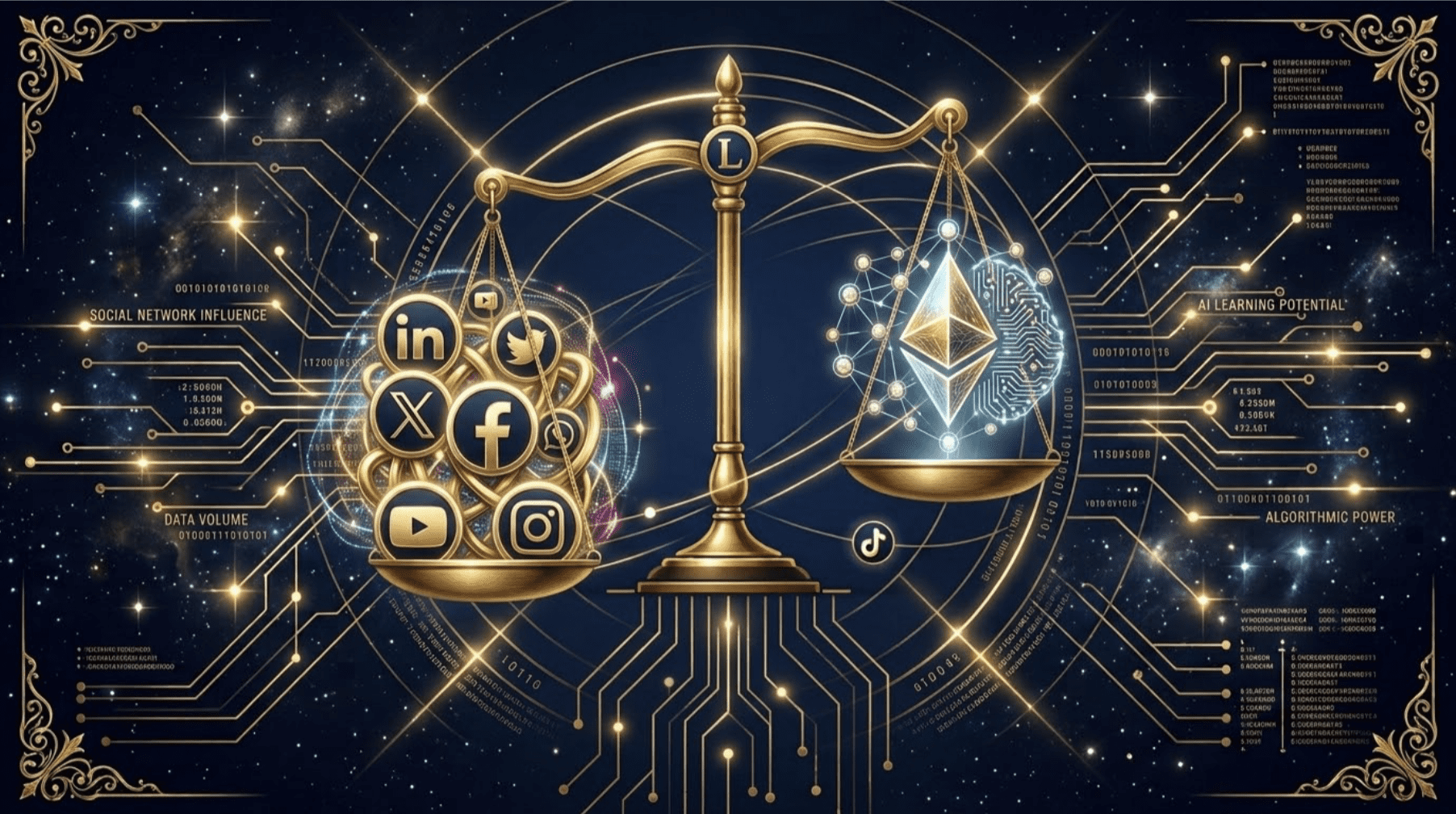
As AI reshapes how people find attorneys, your social presence is starting to function as a trust signal, not just a marketing channel. This piece lays out practical ways to stay visible across platforms when traditional search results aren't the whole story anymore.
Nick Carroll
“One way they do that is by telling clients when they don’t have the right solution for them and helping them find another lawyer who does. Or telling the client why he doesn’t need a certain type of service he’s asked about, and know that you will contact them if and when that changes.”
Nick Carroll
Moz lays out a simple framework for structuring your content so AI agents can find it, understand it, and cite it. If you want your practice-area expertise showing up in AI answers, this is the kind of structural thinking that gets you there. It's practical, not theoretical.
Nick Carroll
If AI defines your firm from its homepage, ask the harder question: what is it using to define you?
LawLytics calls the homepage an "entity anchor," the snapshot a machine uses to know who you are and what you do. But you're not your firm. Your individual anchor is probably LinkedIn or your firm bio. You don't own either, and both are limited for the job.
If machines decide who gets put forward, you need an anchor of your own.
Nick Carroll
You should consider signing up for a free publish.law site today just to use the notes feature. It combines the ease of a LinkedIn comment with the reach and visibility of a long-from blog post.
Nick Carroll
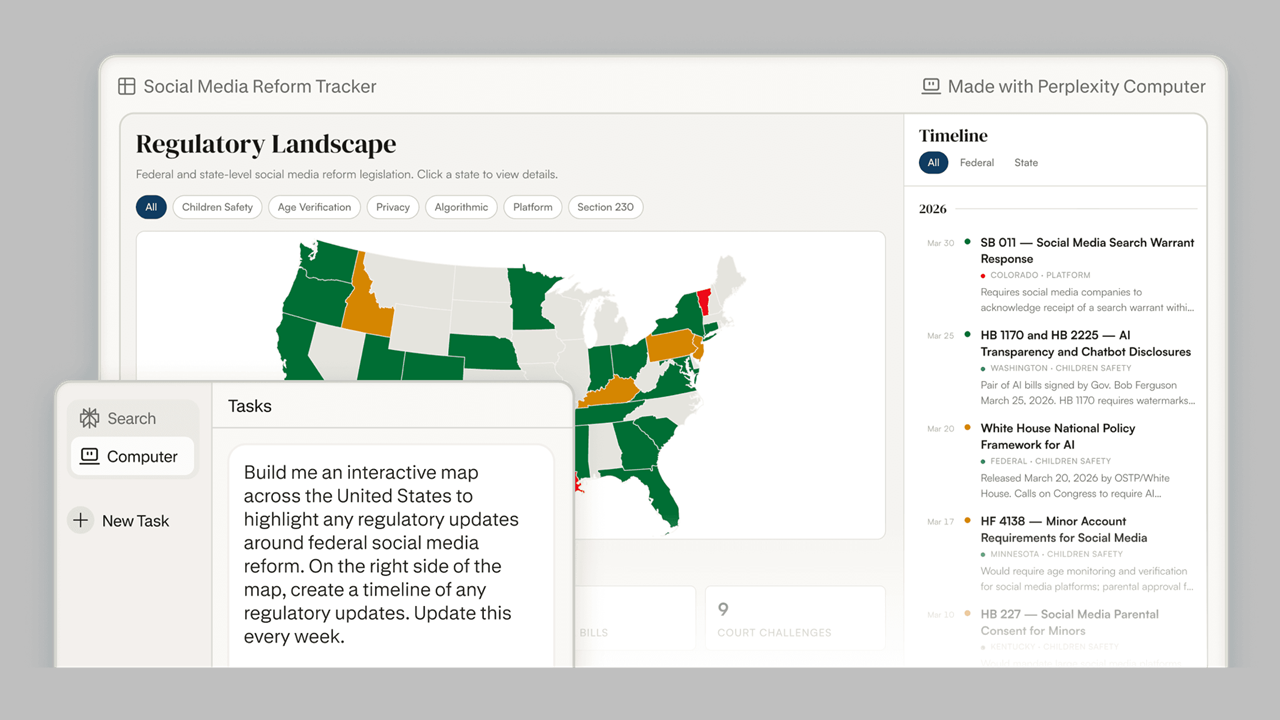
Perplexity is the only mainstream ai platform I don't currently pay for. Apparently that's about to change. I'm not a lawyer, but the Midpage/Perplexity integration looks really interesting...