
Skip to content

Notes

Nick Carroll

Nick Carroll builds publishing and digital identity tools for lawyers and writes about that work here on The Legal Examiner.

Nick Carroll

Cloudflare's traffic data shows automated requests now outnumber human ones, with AI agents growing fastest. That means your site already has a non-human audience reading it constantly. What you publish, how it's structured, and whether AI can make sense of it matters just as much as whether a person can.

Nick Carroll

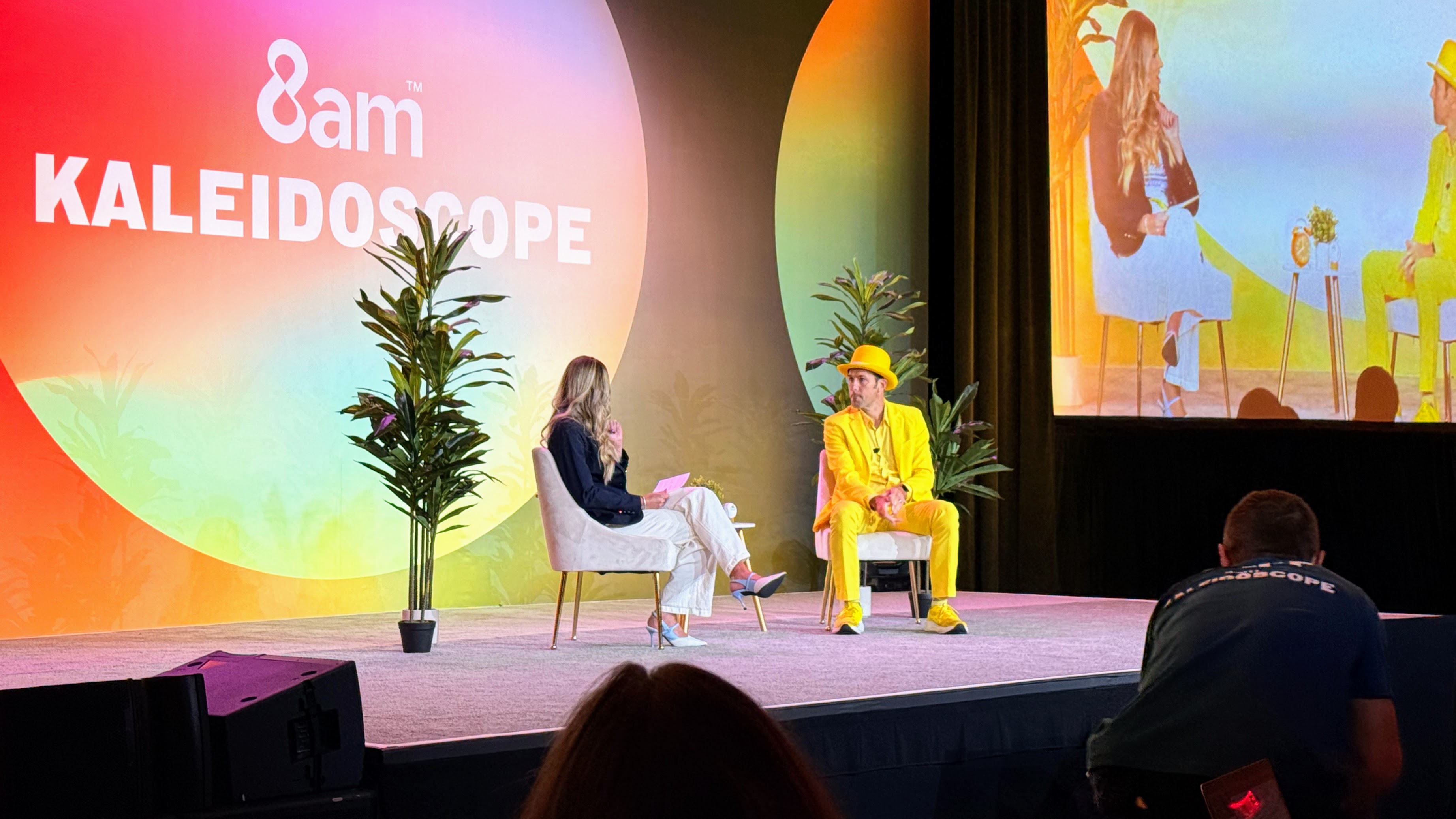
"What could the founder of a baseball team known for dancing players and a senior-citizen dance squad possibly teach lawyers about running a small firm?" That's Bob Ambrogi, on hearing that Savannah Bananas founder Jesse Cole was keynoting this year's Kaleidoscope. The answer turned out to be plenty. Bob came away with 15 takeaways for small firms, and most of them are sharper than what you'd get from a legal marketing panel.

Nick Carroll

Schema markup tells search engines and AI systems exactly who you are and what you practice, in a format machines can read without guessing. If your site doesn't have it, you're leaving your name and expertise off the table. This piece walks through what's worth adding in 2026, and attorneys with a publish.law site get schema.org structured data shipped automatically under their name on every post and page.

Nick Carroll

NLWeb is an emerging protocol that lets AI agents query websites directly in plain language, essentially making your site conversational. It's early, but if AI is how clients start finding attorneys, having a site structured for machine-readable queries puts your name ahead of those that aren't.

Nick Carroll

ChatGPT is rolling out ads, which means AI visibility now has a paid lane and an earned lane. The earned side, getting cited because you've published genuinely useful, authoritative writing under your own name, is still the one that compounds. This piece walks through how the two interact and how to measure what's actually working.

Nick Carroll

David Arato is right. We've all seen lawyers burned by AI errors in court filings. The same risk applies to your bio, your posts, and your social copy: a made-up verdict or credential is a misleading statement about your services, and the rules on that don't loosen because it's marketing. Every fact is your responsibility. Check it, the same way you'd check a filing.

Nick Carroll

Google's Lighthouse tool now includes an audit specifically for AI agent discoverability, which means there's a testable standard for whether your site is structured in a way AI systems can actually read and use. If your writing and profiles live on a domain you own, running this audit tells you whether AI search can actually see you.

Nick Carroll

If you've been publishing to get found and wondering whether any of it shows up in AI answers, this piece lays out a step-by-step process for checking where AI cites sources in your topic area and getting your content into that mix. The workflow is practical enough to run yourself without a marketing team behind you.

Nick Carroll

Google is building features that let people follow creators directly inside search, which means fewer clicks out to your actual site. For anyone building an audience around their name, the implication is clear: your site still matters, but you need to own the relationship, not just the ranking.

Nick Carroll

Generic content doesn't get cited in AI answers. What does: original observations, validated claims, and real experience you can only get from actually practicing. If you're writing about your area of law from your own practice, you're already ahead of most. The article lays out how to make that work visible to AI systems.

Nick Carroll

AI can produce passable prose, but it can't replicate your judgment, your read on a situation, or your years in a specific practice area. The piece argues that expertise and original thinking are now the scarce resource, and that's exactly where your name, your reputation, and your byline carry weight that generic content never will.