
Skip to content
publish.law

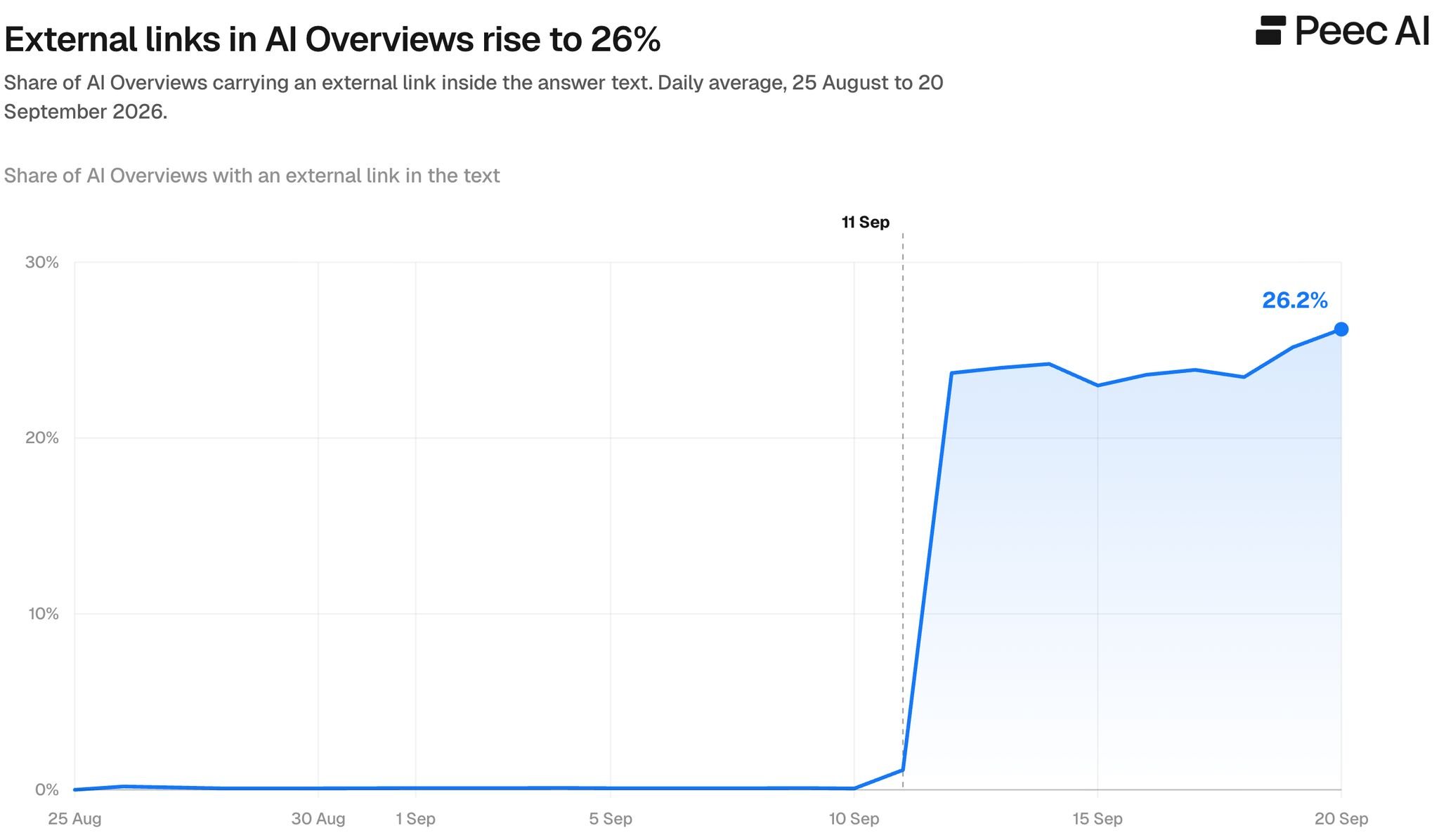
AI Overviews used to almost never link out. Now more than 25% include external links. That's a real opening if your name is attached to clear, credible writing on a topic you actually know. Attorneys with a publish.law site get every post and note shipping structured data under their name, the format AI Overviews read when deciding what to cite.

publish.law

AI search systems need a clear, consistent version of who you are before they'll cite you confidently. This piece walks through what that means practically: one authoritative hub where your credentials, writing, and areas of focus are all readable in one place. Attorneys with a publish.law site can use the machine-legible identity layer, where every profile and post ships structured data under your name, to become exactly that kind of clear source AI systems can actually read.

publish.law

Gemini pulls answers from a short list of sources it trusts, and E-E-A-T signals under your own name are a big part of how you get on that list. This piece walks through structured content, authoritative bios, and citation signals in a legal context. Essentially everything publish.law was built for.

publish.law

This is the seismic shift many are missing. And, it's the reason attorneys must be directly involved in the content creation process.

Generic, timeless content is getting buried because AI can produce it by the ton. What AI can't produce is your actual experience, your track record, your name on a real case outcome. The individual practitioner's voice and verifiable history is now the only content moat that holds.

publish.law

AI systems are starting to separate two different questions: who are you, and what can your site do? For getting your name cited in AI answers, the 'who you are' side matters most right now. Attorneys with a publish.law site get this automatically: every profile and post ships an llms.txt index built specifically for the AI search engines you want reading your name. The piece explains why that distinction is worth caring about.

publish.law

Publishing more content isn't the answer to AI visibility. Organizing what you already have into machine-readable layers is. Your name, your practice area, your credentials, your body of work: if those aren't connected and readable in formats AI actually consumes, volume alone won't fix it. Attorneys with a publish.law site get this automatically, since every profile, post, and note ships structured data and an llms.txt index that AI search engines read directly.

publish.law

What Makes Your Firm Worth Choosing Over AI? The answer is you: your judgment, your relationships, your reputation. That's not a slogan, it's a publishing strategy. Write about the calls you take, the patterns you notice, the things clients ask you that no search result answers.

publish.law

Google is ending anonymous reviews, which means every review left about you or your firm is now tied to a real identity. That changes how clients think before they post, and it's a good reminder to ask satisfied clients directly.

publish.law

A statewide study of AI search in New Jersey points to something we believe deeply: these systems are evaluating legal expertise at the individual level, not just the firm brand. Attorneys with a body of work published under their own name showed up even when firm-level SEO didn't fully explain it.

The takeaway for any attorney: a clear, attributable body of work tied to your name is becoming one of the most valuable things you can build, and own.