Unfortunately, in this 21st-century world of ours, it has become a familiar headline: "Major Drug Maker Finds Toxin in Popular Medication."
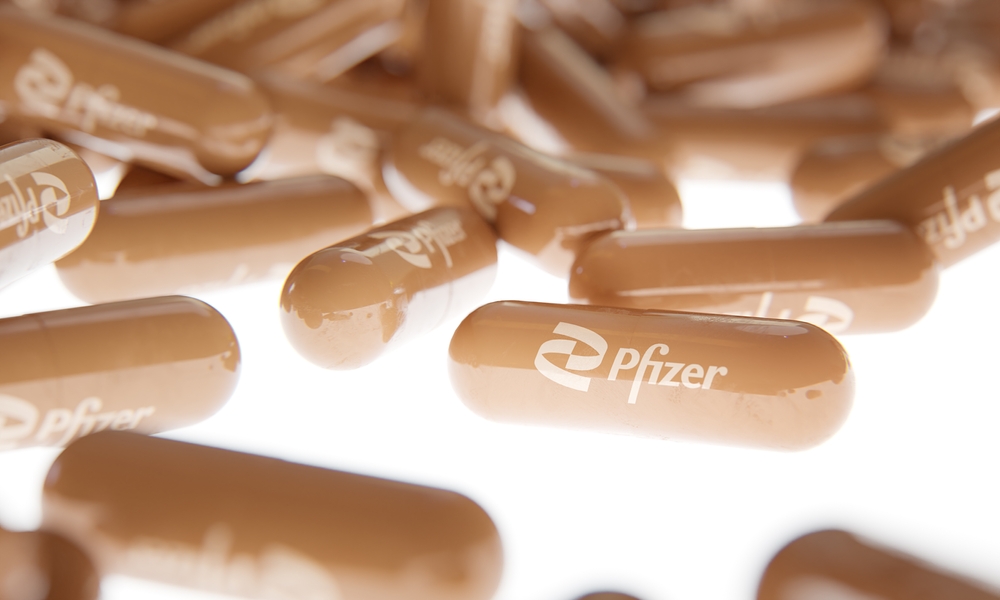
This time, the drugmaker is Pfizer, and the toxin is N-nitroso-quinapril, a nitrosamine linked to several cancers, including lung, brain, liver, kidney, bladder, stomach and esophageal cancer.
In the last month, Pfizer has launched two recalls of popular drugs due to nitrosamine.
The first, announced on March 21, was a voluntary recall of Accuretic (quinapril HCI/hydrochlorothiazide) and two authorized generics distributed by Greenstone, a wholly-owned subsidiary of Pfizer. The tablets, used to treat high blood pressure, were packaged in 90-count bottles and distributed from November 2019 to March 2022.
On April 22, Pfizer also recalled Accupril (Quinapril HCl Tablets), used to treat high blood pressure and manage heart failure. The recall included five batches of pills distributed between December 2019 and April 2022.
In announcing both actions, Pfizer stressed that the company officials believe the benefits of the products "remain positive,’’ and although long-term ingestion of N-nitroso-quinapril is associated with a potential increase for cancer, there is “no immediate risk” to patients taking the medications.
What Are Nitrosamines?
Nitrosamines are organic compounds found in the water we drink, the air we breathe and the food we eat. They've been detected in cured meats, like bacon, and malt beverages, such as beer, and could be considered impossible to avoid altogether.
In recent years, the U.S. Food and Drug Administration (FDA) has been actively working with manufacturers to eliminate nitrosamines from the country's drug supply. It has consumer guidelines in place concerning acceptable daily intake limits for nitrosamines. At the same time, the agency stresses that even if an individual ingests a drug tainted with a nitrosamine at the acceptable daily limit every day for 70 years, they are not expected to have an increased cancer risk.
Scientists have determined that most often, it is through the manufacturing process that pharmaceutical drugs become contaminated with nitrosamine. For example, nitrosamines can form through chemical reactions when ingredients are blended. Nitrosamines can also develop in packaged drugs stored at inappropriate temperatures.
Past Drug Recalls Due to Nitrosamines
In recent years, this class of carcinogens has been linked to several drug recalls, including medications used for stomach issues, blood pressure and diabetes, as well as an anti-smoking medicine.
Here is a look at some of the actions:
- In 2018, the FDA began focusing on nitrosamines with the recall of Valsartan/Angiotensin II receptors (ARBs), drugs used to treat high blood pressure and heart failure. In this case, it was determined that the toxins developed after a solvent yielded a chemical reaction.
- One year later, Valisure, a pharmacy and research company, announced findings of nitrosamines in ranitidine, a key ingredient in the heartburn drug Zantac. This spurred a major recall of Zantac products, with the FDA telling manufacturers to withdraw the ulcer and stomach medicine because it had “...determined that the impurity in some ranitidine products increases over time and when stored at higher than room temperatures and may result in consumer exposure to unacceptable levels of this impurity.” Zantac lawsuits were filed against various manufacturers, alleging that the drugmakers and distributors knew of the risk posed by NDMA in Zantac and did nothing to warn consumers.
- In May 2020, five manufacturers were forced to recall metformin, a drug used to help control high blood sugar in type-2 diabetes. The FDA said it was finding nitrosamines in certain extended-release versions of the drug with contamination taking place during manufacturing.
- September 2021 brought more news of nitrosamines in medications. This time it was for Chantix, an anti-smoking aid. Scientists had determined that nitrosamine was being formed from a chemical reaction involving Chantix’s active ingredient, varenicline.
If you are taking one of the drugs currently under a recall, the FDA encourages you to contact your health care provider for guidance on whether a replacement drug should be found. If you believe you are experiencing an adverse reaction from a drug, the FDA encourages you to file a report to the FDA’s MedWatch Adverse Event Reporting program.