Patients across the United States are filing lawsuits alleging that defective spinal cord stimulators caused painful shocks, burns, paralysis, worsening pain and loss of bladder or bowel control. As the number of cases grows, a federal panel has created a multidistrict litigation (MDL) to coordinate lawsuits involving Boston Scientific devices.
The MDL marked a major development for patients who claim the company’s implanted pain relief devices, specifically WaveWriter and WaveWriter Alpha, are defective, and cause serious injuries and harm.
There were 23 cases when the spinal cord stimulator MDL was created in the Central District of California. The transfer allows lawsuits against Boston Scientific to proceed before one judge, streamlining pretrial proceedings and helping avoid inconsistent rulings.
Research shows what may be driving the litigation. Analysis of spinal cord stimulator injury data from the U.S. Food and Drug Administration (FDA) indicates the pain management implants fall into a high-risk device category because of the frequency of failures and complications. Over 80,000 spinal cord stimulator injuries have been reported to the FDA.
While several cases are part of the Boston Scientific MDL, there are similar defective device lawsuits involving other manufacturers - and more lawsuits are expected to be filed as patients become aware of the litigation.
What are Spinal Cord Stimulators?
Hundreds of thousands of Americans have received spinal cord stimulators. These medical devices are used to manage certain pain conditions, including chronic back pain, nerve pain, failed back surgery syndrome, and complex regional pain syndrome (CRPS).
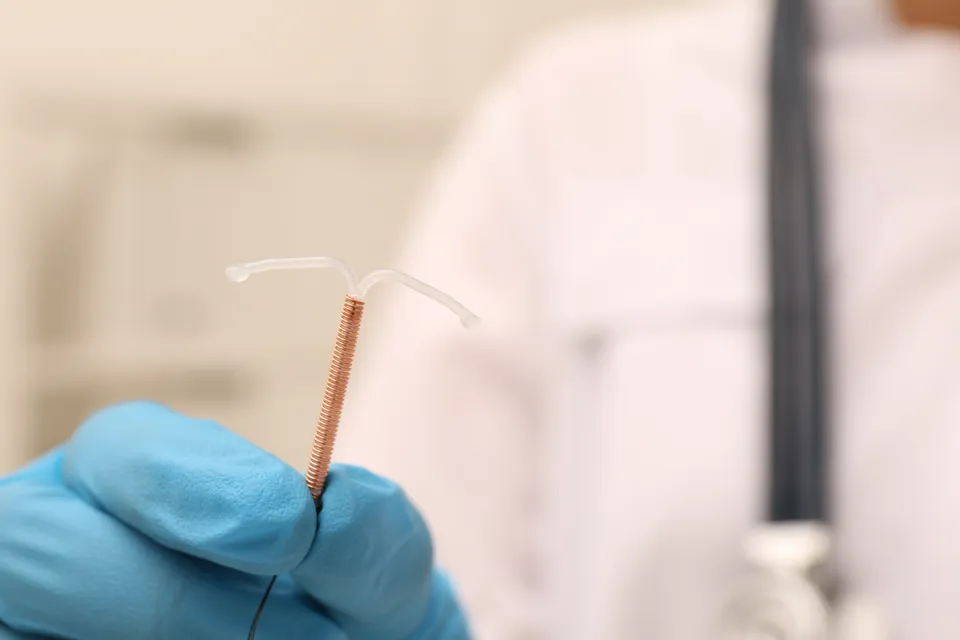
Spinal cord stimulators deliver electrical impulses to the spinal cord to interrupt pain signals before they reach the brain. They usually include electrodes placed near the spinal cord and a battery-powered pulse generator implanted under the skin.
Doctors typically recommend SCSs when medications, physical therapy, surgeries, or other treatments have failed.
When they work as intended, spinal cord stimulators provide immense pain relief, but complications are common.
Spinal Cord Stimulator Recalls
The defective device MDL involving Boston Scientific follows years of product safety concerns.
In 2024, Boston Scientific recalled approximately 22,800 Spectra WaveWriter devices because moisture entering the pulse generator could lead to a loss of stimulation or the inability to recharge the battery. The FDA classified the action as a Class I recall because device failures could lead to additional surgeries and worsening pain.
Numerous other recalls involving neurostimulation devices have been issued in recent years, including several from Abbott Laboratories. They've increased scrutiny around spinal cord stimulators and their risks, but for far too many people, the recalls and warnings came too late.
Because hundreds of thousands of Americans rely on these medical devices, any defect can have serious consequences. Patients may experience worsening pain, loss of therapy, infections, repeated surgeries, or diminished quality of life.
Consumers who experience sudden loss of pain relief, charging failures, unusual sensations, or unexpected device shutdowns should contact their physician and report the issue to the FDA's MedWatch program.
Spinal Cord Stimulator Manufacturers Facing Lawsuits
The new spinal cord stimulator MDL only involves Boston Scientific devices, but there are several manufacturers facing similar lawsuits.
Abbott Laboratories
Spinal cord stimulator lawsuits have been filed against Abbott for its Proclaim and Eterna systems. Plaintiffs reported that software malfunctions and "safe mode" problems caused devices to stop delivering effective therapy. Some patients had to undergo replacement procedures.
Medtronic
Medtronic has been sued over alleged defects involving certain Intellis and Vanta neurostimulator systems. Complaints have involved battery issues and loss of therapy that resulted in unnecessary surgeries and prolonged pain.
Nevro
Nevro has also been named in spinal cord stimulator lawsuits involving its Senza systems. Plaintiffs claim failures affected batteries and charging systems.
What Do the Spinal Cord Stimulator Lawsuits Allege?
The litigation centers on allegations that certain SCS devices have manufacturing and design defects and that they weren’t properly tested to ensure their safety. Some court filings note that companies were able to bypass safety testing and make design changes without providing new data thanks to the FDA’s premarket approval pathway.
Plaintiffs claim the defects caused the devices to stop working, lose therapy settings, severely shock and burn them, or enter a "safe mode" that prevented them from receiving effective pain relief. Those injured say the result of failed spinal cord stimulators were costly medical bills, time off work, and significant pain and suffering. Many had to endure additional surgeries to remove or replace malfunctioning devices.
Spinal cord stimulator lawsuits claim manufacturers knew or should have known about the alleged design defects, battery defects, and faulty software. They further state manufacturers failed to adequately warn physicians and patients about the risks.
The spinal cord stimulator mass tort is still in its early stages. Many patients who experienced problems may not yet realize that lawsuits are being filed, but defective device attorneys expect numerous similar cases to be filed as awareness grows.
Failed Spinal Cord Stimulators and Opioid Dependence
In 2023, opioid overdoses in the U.S. took the lives of 80,000 people. As the opioid crisis continues to ravage communities across the country, many involved in the spinal cord stimulator lawsuits say they’re facing dependence on opioids – the very drugs they hoped to avoid.
These plaintiffs claim they underwent spinal cord stimulator implantation so that they didn’t need to take opioids or have additional back surgery. But when the devices failed, allegedly due to defects, they were left with few options but opioids to manage severe chronic pain. The most common issues noted in lawsuits include battery or implantable pulse generator malfunction, lead complications, and battery defects.
What to do if Injured by a Spinal Cord Stimulator
The seriousness of SCS complications and failures are being seen not just in the U.S., but around the world. Between 2012 and 2019, 79% of adverse events of spinal cord stimulators in Australia were rated as severe, with 13% rated as life-threatening.
According to mass tort attorneys, the risks, extensive research and analysis, and recurring device issues indicate that spinal cord stimulator lawsuits are likely to grow substantially. These medical devices are supposed to improve the quality of life for people suffering from chronic pain conditions. Instead, they may have caused more suffering that could have been avoided.
Patients who were injured by a failed or faulty a spinal cord stimulator should speak with a defective device lawyer. Because statutes of limitations vary by state, anyone who required revision surgery or suffered injuries after receiving one of these devices shouldn’t delay learning about their legal options.
Those who are eligible may file their case directly into the Boston Scientific MDL, whereas patients harmed by devices made by a different manufacturer may pursue individual lawsuits.