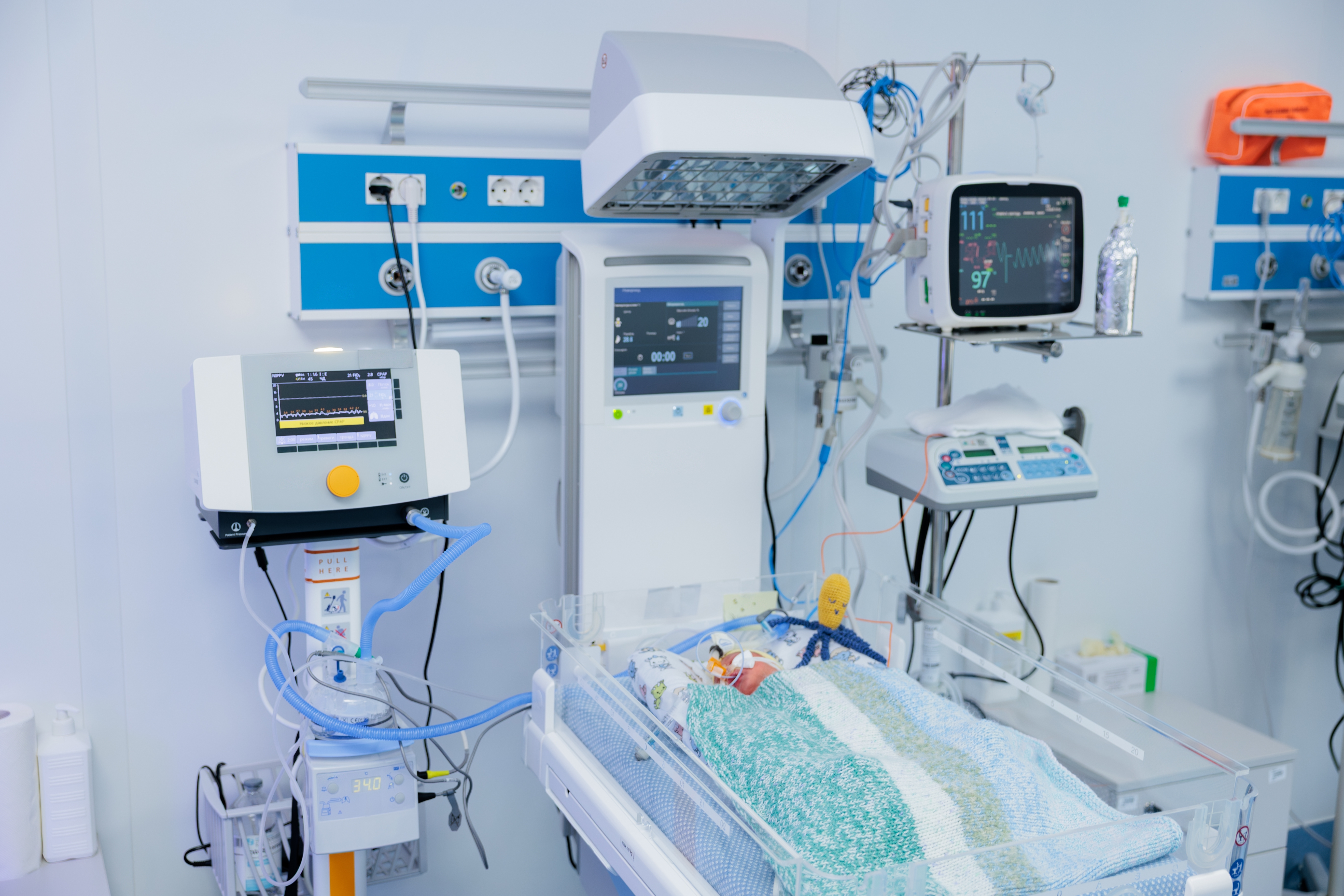
The first bellwether trial involving a federal necrotizing enterocolitis (NEC) baby formula lawsuit began yesterday, marking an important milestone in the nationwide failure to warn litigation.
At the heart of these cases is the allegation that cow’s milk-based formula increases the risk of premature babies developing NEC. For parents who claim Enfamil or Similac caused their child to develop the serious (and often fatal) condition, the first test trial in the multidistrict litigation (MDL) may influence the future of nearly every federal lawsuit.
More than 1,000 NEC baby formula lawsuits have been filed against cow’s milk-based formula manufacturers, Mead Johnson and Abbott Laboratories. Roughly 800 of those are part of the MDL.
While these lawsuits have been going on for years, most are unresolved. Some state verdicts have recently been upheld, many of which were in favor of plaintiffs. But those cases are separate of what’s happening in federal court.
Unlike substantial jury awards reached at the state level, the bellwether trial is the first time a federal jury will hear evidence about the alleged risk of preterm infants developing NEC from cow’s milk-based formula.
The first test trial is against Mead Johnson, the maker of Enfamil, whereas the second, scheduled to begin on August 10, involves Abbott’s Similar products.
What is a Bellwether Trial?
A bellwether trial is often referred to as a test trial in a mass tort. In the NEC baby formula MDL, the test cases would have been selected because they represent common issues among the others in the litigation.
The benefit of bellwether trials is that they give both sides insight into how juries respond to the evidence and arguments. However, the verdict reached applies only to the individual families selected for test cases.
If the parents of premature babies who developed NEC after being fed Enfamil or Similac win, Abbott and Mead Johnson may face greater pressure to negotiate settlements to avoid going to court. If manufacturers prevail, they’ll likely gain leverage, making settlement discussions more difficult for the plaintiffs or even reduce potential settlement offers.
Why the Federal NEC Baby Formula Trials are Different
Parents following the baby formula lawsuits may wonder why the first federal test trial is receiving so much attention following several recent large verdicts, including the $70 million NEC jury award for four families in April 2026. Part of the answer is that state and federal courts operate independently, but that’s not all.
There’s also the fact that state trials have produced mixed results. In 2024, a Missouri jury awarded nearly $495 million against Abbott after finding its specialized premature infant formula contributed to a baby developing NEC.
At the same time, other juries have ruled that the manufacturers of cow’s milk-based formulas were not liable. Just last week, Mead Johnson won a state case in Missouri.
Another substantial verdict from 2024 that ruled in favor of a parent whose baby died from NEC was reversed in June. The $60 million award against Mead Johnson was overturned on appeal because of errors in the jury instructions. That case will receive a new trial.
These mixed results are why the federal cases involving NEC and Enfamil and Similac shouldn’t be compared to state cases. While they may influence legal strategies, the federal NEC baby formula lawsuits are far from guaranteed for either side.
NEC Baby Formula Lawsuits: More Complex than Others
Compared to many other pharmaceutical and product liability lawsuits, the NEC litigation is arguably more complex. For one thing, cow’s milk-based baby formulas remain important medical treatments.
Manufacturers of Similac and Enfamil argue their products are safe, medically necessary, and often lifesaving when breast milk or donor milk is unavailable for preterm infants. They also claim that physicians, not parents, are responsible for evaluating the benefits and risks before recommending a product. It’s become a key defense strategy in several NEC baby formula lawsuits.
Parents see the issue differently. They allege Abbott and Mead Johnson knew research suggested premature infants fed cow’s milk-based formula faced a greater risk of NEC than those receiving solely breast milk. They further claim that the manufacturers failed to adequately warn hospitals and healthcare providers of these risks.
Another difference between the NEC baby formula lawsuits and other product liability cases is about purchasing power. Parents had little or no role in choosing the formula their premature child received because neonatal intensive care units (NICUs) typically decide this.
What Happens if Baby Formula Companies Win NEC Lawsuits?
If the federal NEC baby formula trials result in wins for manufacturers, it would undoubtedly be a setback for plaintiffs. But it’s important to note that it wouldn’t end the litigation or mean that other cases would all be unsuccessful.
Mass tort history in the U.S. shows that a single or handful of losses rarely determines the outcome of an MDL. In the RoundUp litigation, Bayer won several individual trials before later agreeing to multi-billion-dollar settlements. Johnson & Johnson has won some talc ovarian lawsuits and lost others. And most recently, the Depo-Provera brain tumor MDL continues moving toward bellwether trials despite ongoing disputes over scientific evidence.
That’s not to say that an NEC baby formula ruling in favor of Abbott or Mead Johnson would have no impact on cases. It would likely strengthen manufacturers’ negotiating positions and could delay global settlement discussions. However, additional bellwether cases, including the upcoming August Similac trial, would still provide more information about how juries view the evidence and legal arguments.
Since the federal NEC baby formula MDL involves roughly 800 plaintiffs, extensive scientific evidence and expert witnesses, and different circumstances, both sides will look at the outcomes of multiple test trials. Rather than one isolated verdict, they’ll consider several outcomes when negotiating settlements.
Can Parents Still File NEC Baby Formula Lawsuits?
Yes. Regardless of what happens in the first federal trial, parents can still file NEC baby formula lawsuits or continue forward with existing claims.
Like any injury or medical condition, every case involves different medical records, physicians, hospitals, and evidence. Some lawsuits involve permanent injuries, while others involve the wrongful death of premature infants.
Parents of premature babies who developed necrotizing enterocolitis after being fed cow’s milk-based formula should not assume their case lacks merit simply because one family loses a trial.
However, statutes of limitations vary by state. Families who believe Abbott’s Similac or Mead Johnson’s Enfamil may have contributed to their baby’s NEC should speak with a dangerous product attorney.
Why Parents Should Follow the NEC Cases
The first NEC baby formula trial in the federal MDL may have widespread ramifications. While the outcome will only apply to one family's case, it will provide the clearest indication yet of how a federal jury views the evidence, manufacturers’ warnings, and arguments.
So far, the legal landscape for these lawsuits has been largely inconsistent. Two recent appeals of NEC baby formula verdicts have resulted in different outcomes – one that upheld the largest award and another that ordered a new trial, reversing a $60 million verdict against Enfamil manufacturer, Mead Johnson.
For parents still searching for answers about what happened to their baby in the NICU, this week’s proceedings may become one of the most significant developments in NEC baby formula cases to date.