Yvette C. Hammett is a journalist who spent much of her career in newsrooms, including The Tampa Tribune, The Mobile Register, and The Stuart News, covering issues from courtroom to environmental battles, a busy cop beat, and international news.
Law enforcement agencies use social media in various ways to monitor crime and communicate with the population. But there are few laws on what they can and cannot do with someone’s personal information.
COVID-19 has changed the crime rate in many cities across the nation. Most continue to show a decrease in calls for service, even as in some places the economy begins to open.
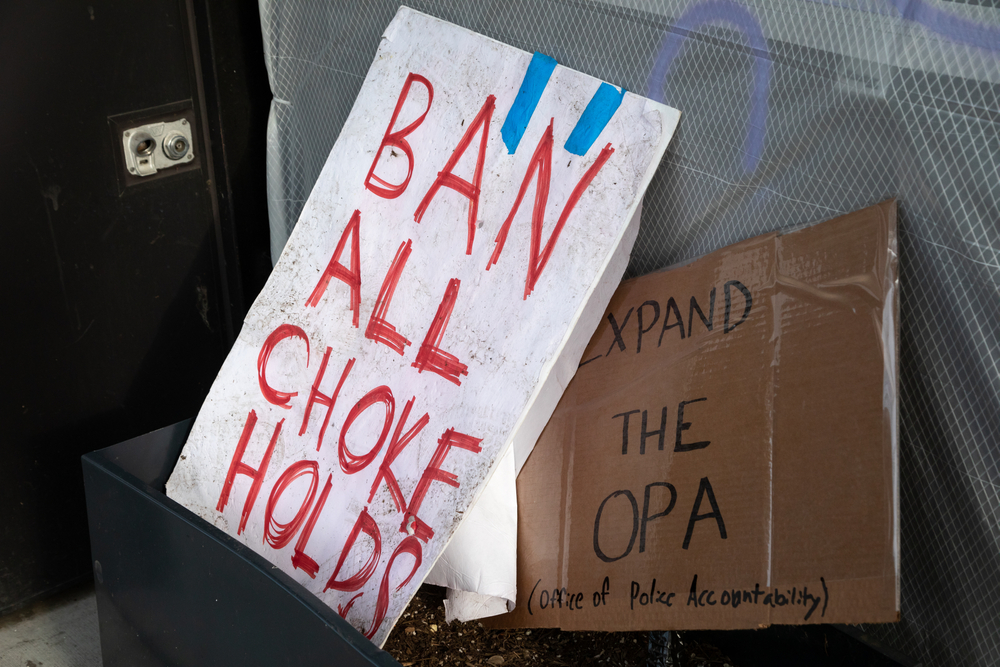
Fewer police departments are allowing the use of chokeholds since the death of George Floyd at the hands of a Minneapolis police officer in May. But the practice is continuing in numerous locations. Meanwhile, families affected by the use of this method of subduing suspects are still seeking justice
Judges facing ethics complaints say and do the darndest things, sometimes bordering on humorous. More often though, judicial misconduct creates injustices for those coming before the court on serious matters from child custody to criminal drug cases.
Some states are reinstituting work search requirements for those applying for unemployment benefits, even as COVID-19 numbers remain high and the federal government has cut its assistance.
After a long-fought battle, a New York judge recently gave contract drivers for rideshare companies Uber and Lyft the right to receive unemployment benefits. That state has 45 days to clear up the backlog of claims for these gig workers.
Thousands of businesses across the country have been denied insurance claims for “business interruption” after shuttering their offices, restaurants and service establishments during the COVID-19 pandemic.
Many of those insurance
A group of parents are suing the social media app TikTok, claiming it is illegally collecting and sharing identification information and sending it to China.
Employees who spew the F-bomb, make sexually unacceptable remarks or racist comments at work – even involving union activities – will no longer enjoy the same protections under the National Labor Relations Act they once did.