Yvette C. Hammett is a journalist who spent much of her career in newsrooms, including The Tampa Tribune, The Mobile Register, and The Stuart News, covering issues from courtroom to environmental battles, a busy cop beat, and international news.
The question of whether fathers deserve as much parental leave as mothers when a new child comes into the home is in the hands of a Washington, D.C. district judge.
While Congress is working to root out CARES Act fraud connected to billions in business loans awarded during the COVID-19 crisis, small business owners are concerned about whether they followed the rules or will face the feds’ wrath if they didn’t.
Prior to the Dodd-Frank Act, the U.S. Securities and Exchange Commission was hard-pressed to get corporate whistleblowers to come forward. But just last week, the SEC awarded $2.5 million to whistleblowers who aided in an investigation.
Many people don’t realize is that there are gaps in artificial intelligence regulations, some of which allow infringement on civil rights. That can include housing and employment opportunities.
When a crisis rears its head and government and the tech community invent ways to handle it, lots of personal data is collected and stored. What happens to that data once an emergency passes? What happens to the technologies used to collect it? What civil liberties are at risk?
Proving war crimes can be a long, tedious process, involving people spending many hours scouring thousands of images from war-torn countries like Yemen. Human rights groups across the globe are working to incorporate artificial intelligence into the process to speed up the time it takes to present e
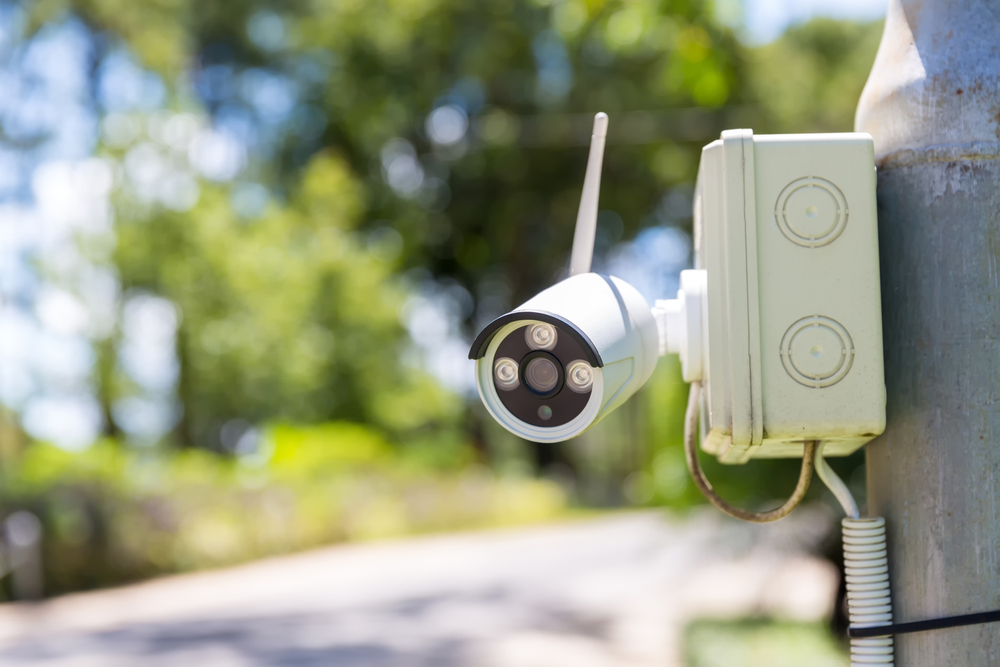
Can police mount surveillance cameras on phone and utility poles outside your house and watch your every move? Not in Massachusetts, at least not for extended periods.
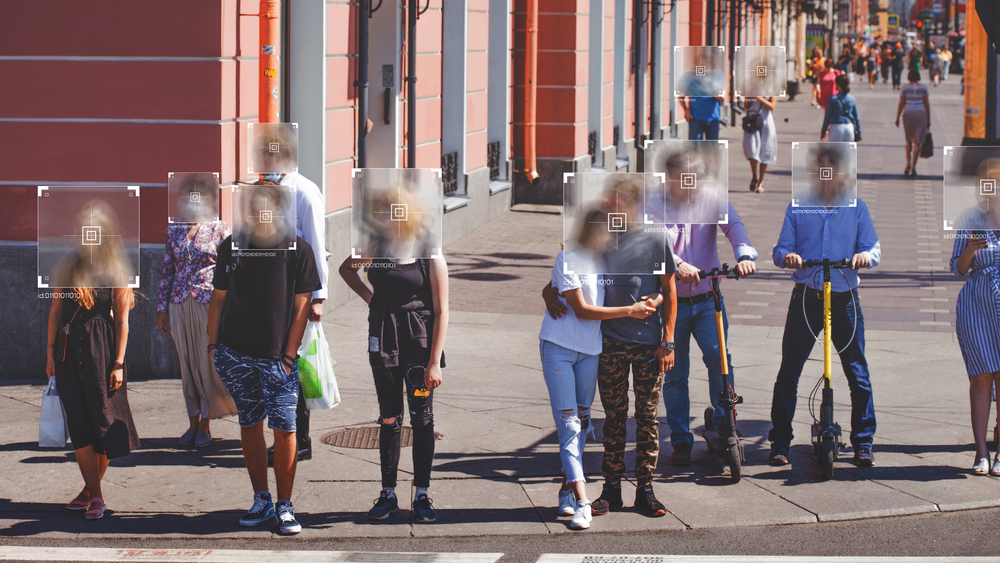
The U.S. may see a decline in the use of certain technologies used by law enforcement, including facial recognition, as calls for reimagining policing continue to grow.
The sentiment on the streets on the need for police reforms appears to be seeping into the halls of justice. That includes questions about Fourth Amendment rights prohibiting illegal search and seizure.