Proving war crimes can be a long, tedious process, involving people spending many hours scouring thousands of images from war-torn countries like Yemen. Human rights groups across the globe are working to incorporate artificial intelligence into the process to speed up the time it takes to present e
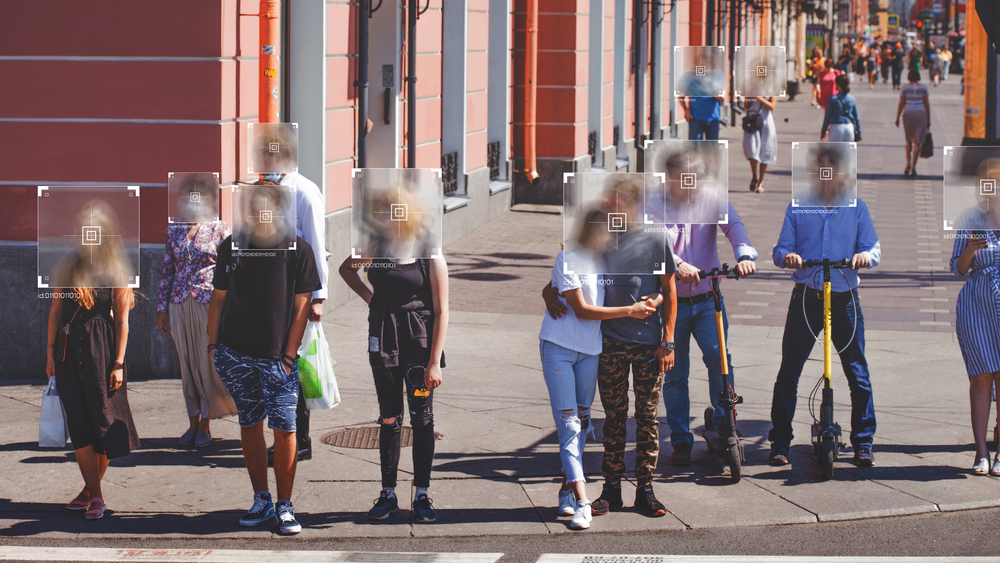
The U.S. may see a decline in the use of certain technologies used by law enforcement, including facial recognition, as calls for reimagining policing continue to grow.
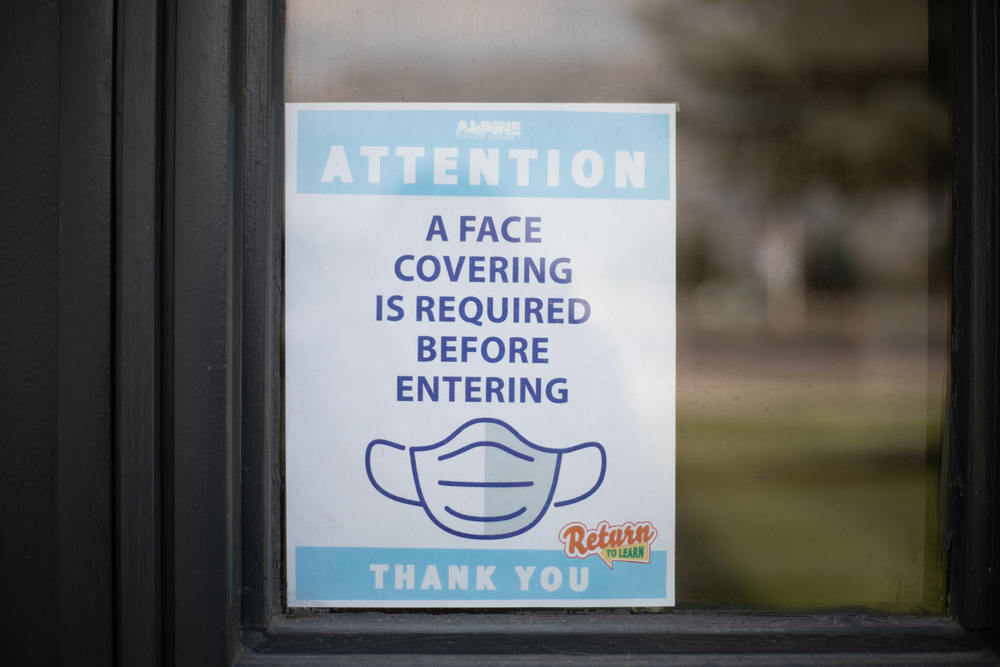
Twitter is awash with examples of people refusing to wear face masks in stores, businesses posting signs flouting local mask mandates and patrons sporting badges with legal-ese claiming they’re exempt from mask-wearing. But the law is largely on the side of the mandates.
The sentiment on the streets on the need for police reforms appears to be seeping into the halls of justice. That includes questions about Fourth Amendment rights prohibiting illegal search and seizure.
Law enforcement agencies use social media in various ways to monitor crime and communicate with the population. But there are few laws on what they can and cannot do with someone’s personal information.
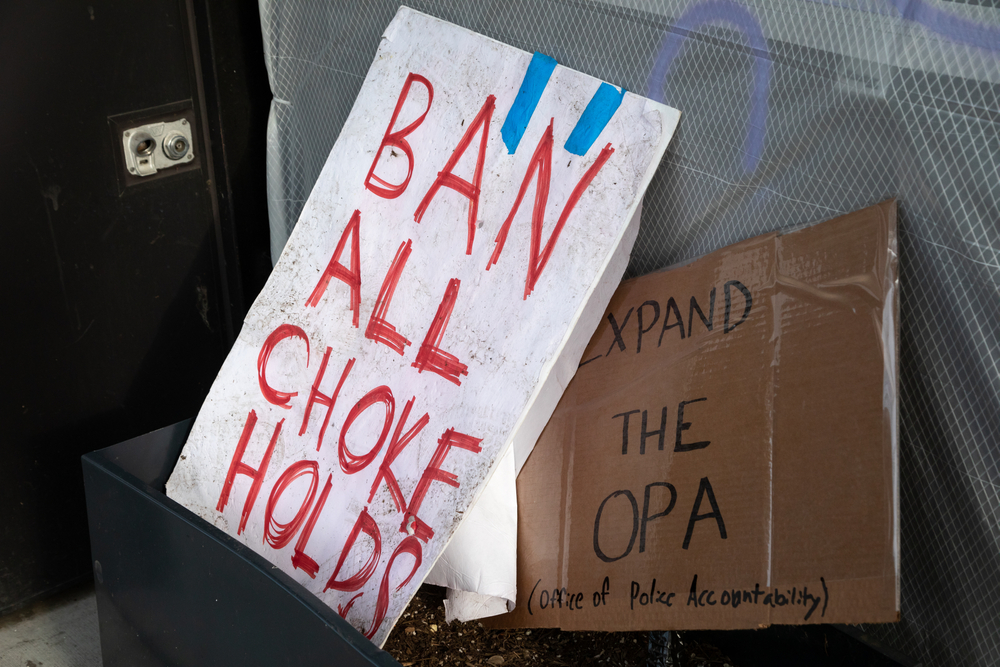
Fewer police departments are allowing the use of chokeholds since the death of George Floyd at the hands of a Minneapolis police officer in May. But the practice is continuing in numerous locations. Meanwhile, families affected by the use of this method of subduing suspects are still seeking justice
After a long-fought battle, a New York judge recently gave contract drivers for rideshare companies Uber and Lyft the right to receive unemployment benefits. That state has 45 days to clear up the backlog of claims for these gig workers.