Voting is “an inviolable right” sacred to Americans because it preserves all rights, according to a federal judge who recently ruled that all registered voters in Alabama may vote absentee
An Illinois woman is suing Macy’s Department Store for using facial recognition software in a state with the strictest rules against it. The suit, open to all Macy’s
The Presidential Pardon was back in the news recently with reports that Wikileaks founder Julian Assange had been offered a presidential pardon in exchange for providing evidence Russia was not
A few weeks ago, a Catholic priest on the verge of being ordained bishop of Duluth, MN, was forced to resign after being accused of sexual abuse of a minor
Robert Earl Lawrence, as a so-called "sovereign citizen,'' didn’t respect the laws or the courts of the United States. But after an animal services police officer shot Lawrence to death in front of his girlfriend and children, his estate turned to those same courts to hold the officer accountable.
There’s a relatively new gun lobby in town. And the events of 2020 have resulted in a spike in the 34,000 member National African American Gun Association.
Golf is an $84 billion business that generates an additional $59 billion in wages. Where that much money is involved, there are inevitable lawsuits seeking redress for injuries, some fatal. As a result, collateral specialties involving golf injuries among legal firms and global insurance agencies ar
The question of whether fathers deserve as much parental leave as mothers when a new child comes into the home is in the hands of a Washington, D.C. district judge.
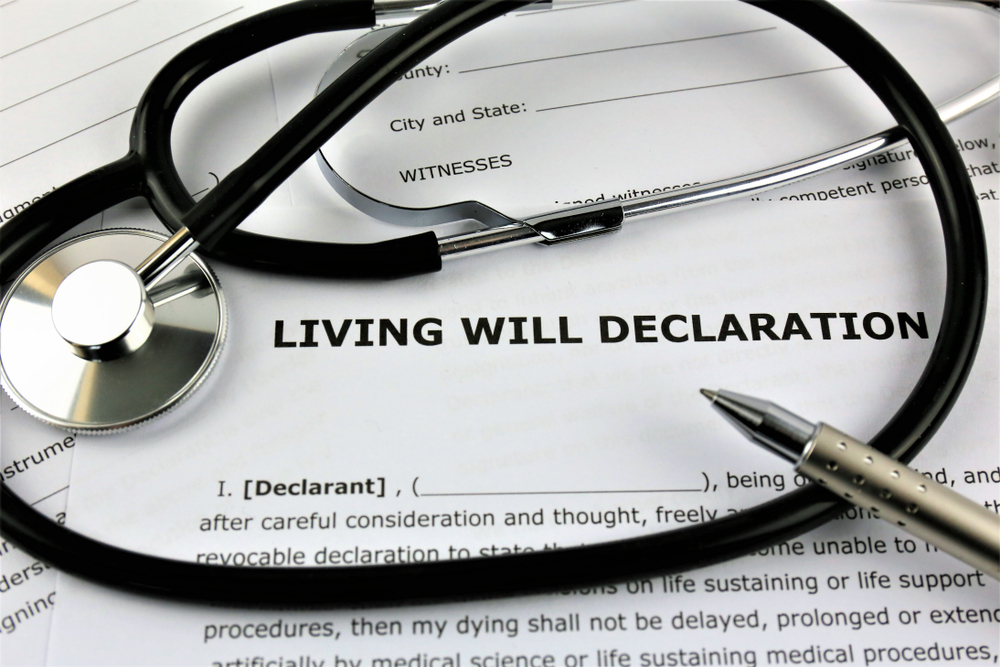
Creating a living will is something everyone agrees is a prudent move, but also something nobody wants to think or talk about. End of life conversations are extremely hard, more so perhaps, when the end seems a long way off. But that’s the time to get one’s wishes documented.
Smartphones are a goldmine of personal data for criminal investigators, from credit card information to compromising photos. But can law enforcement search a smartphone’s contents without a warrant, or force someone to give them access to a passcode-protected phone?