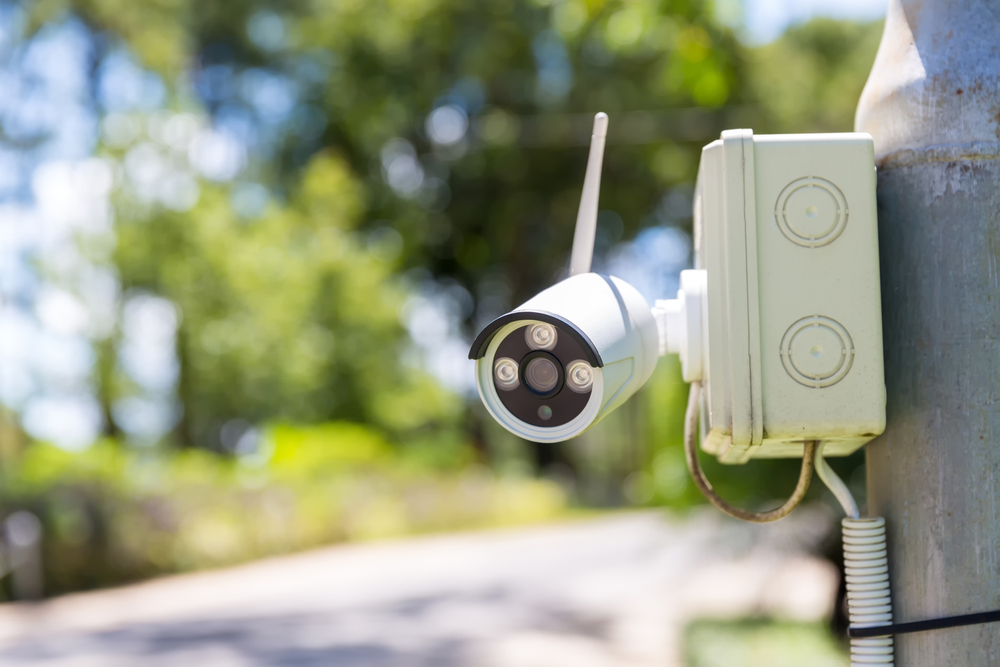
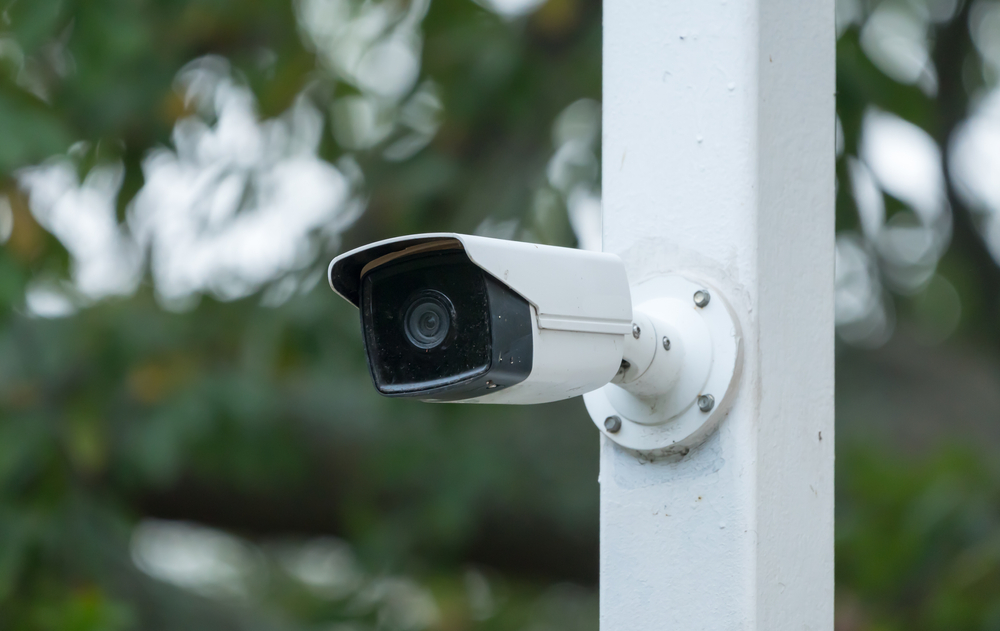
Can police mount surveillance cameras on phone and utility poles outside your house and watch your every move? Not in Massachusetts, at least not for extended periods.
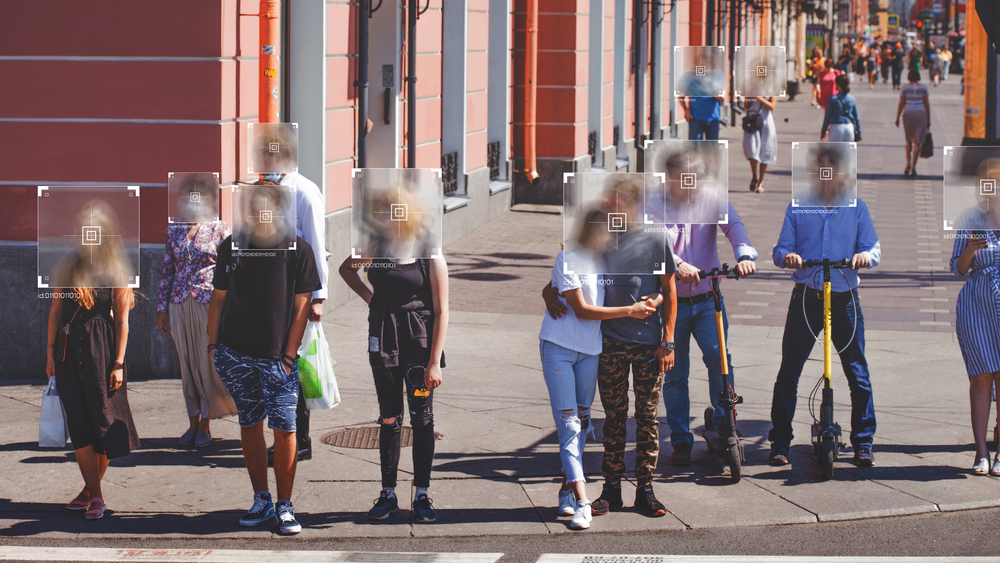
The U.S. may see a decline in the use of certain technologies used by law enforcement, including facial recognition, as calls for reimagining policing continue to grow.
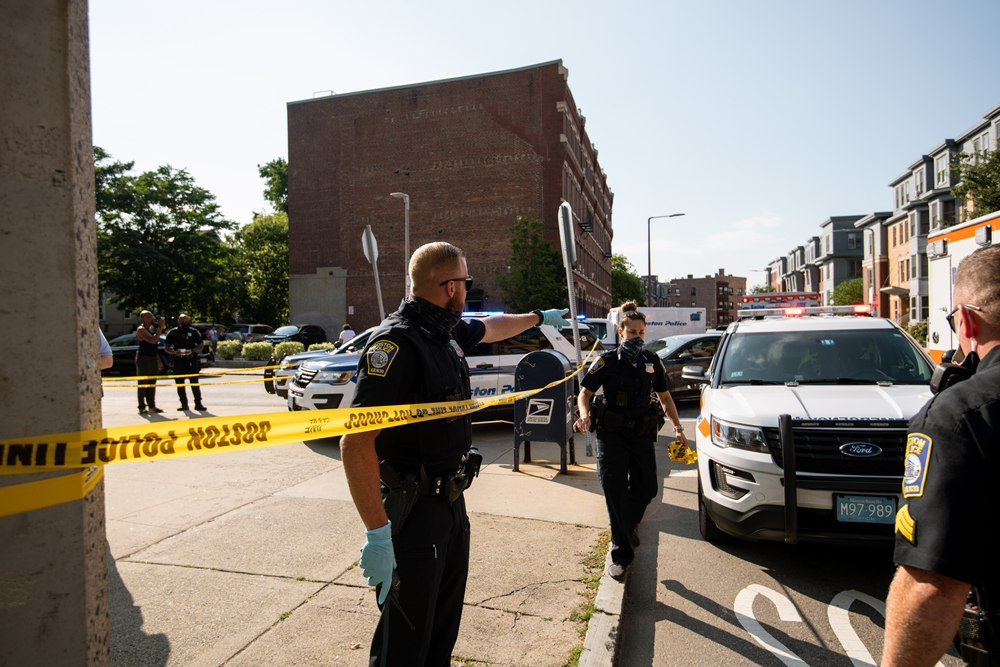
The sentiment on the streets on the need for police reforms appears to be seeping into the halls of justice. That includes questions about Fourth Amendment rights prohibiting illegal search and seizure.
Law enforcement agencies use social media in various ways to monitor crime and communicate with the population. But there are few laws on what they can and cannot do with someone’s personal information.
COVID-19 has changed the crime rate in many cities across the nation. Most continue to show a decrease in calls for service, even as in some places the economy begins to open.
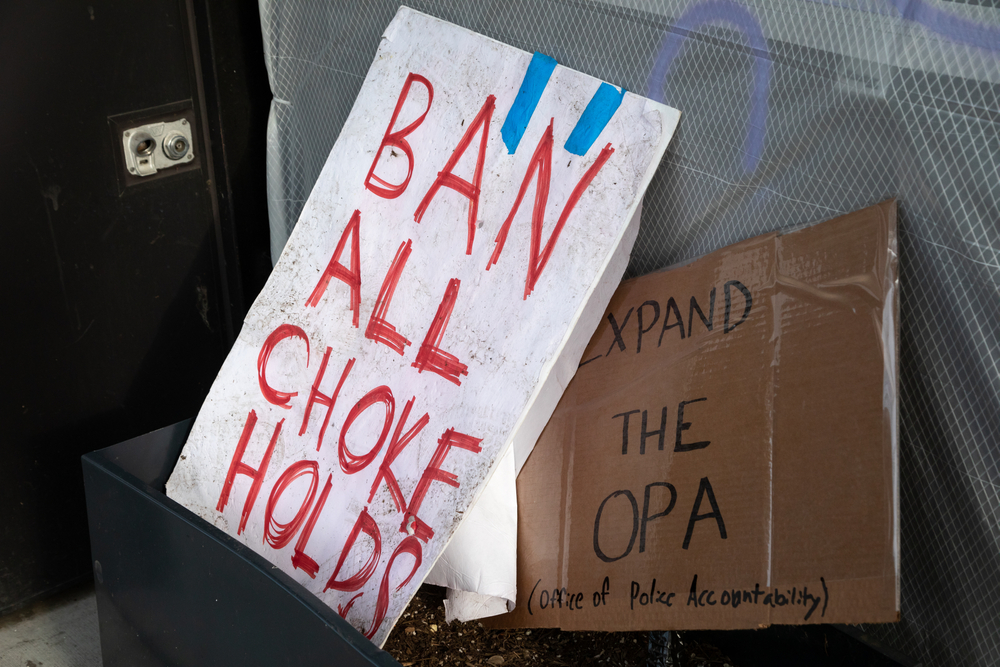
Fewer police departments are allowing the use of chokeholds since the death of George Floyd at the hands of a Minneapolis police officer in May. But the practice is continuing in numerous locations. Meanwhile, families affected by the use of this method of subduing suspects are still seeking justice
As with many other things, COVID-19 is changing the face of police interviews, some say for the better. Interviews are being conducted at a distance, frequently outdoors, to minimize the chances of virus transmission.
The use of email fraud has become so rampant that two years ago the Securities and Exchange Commission issued guidance saying if a public company doesn’t guard against phishing
Some mayors are pushing back against President Donald Trump sending federal law enforcement to their cities. However, unless those federal personnel are breaking the law, there is little the mayors
More than 130 million children have been entrusted to the care of the Boy Scouts of America over its 110 year history — and the untold percentage who were sexually abused