
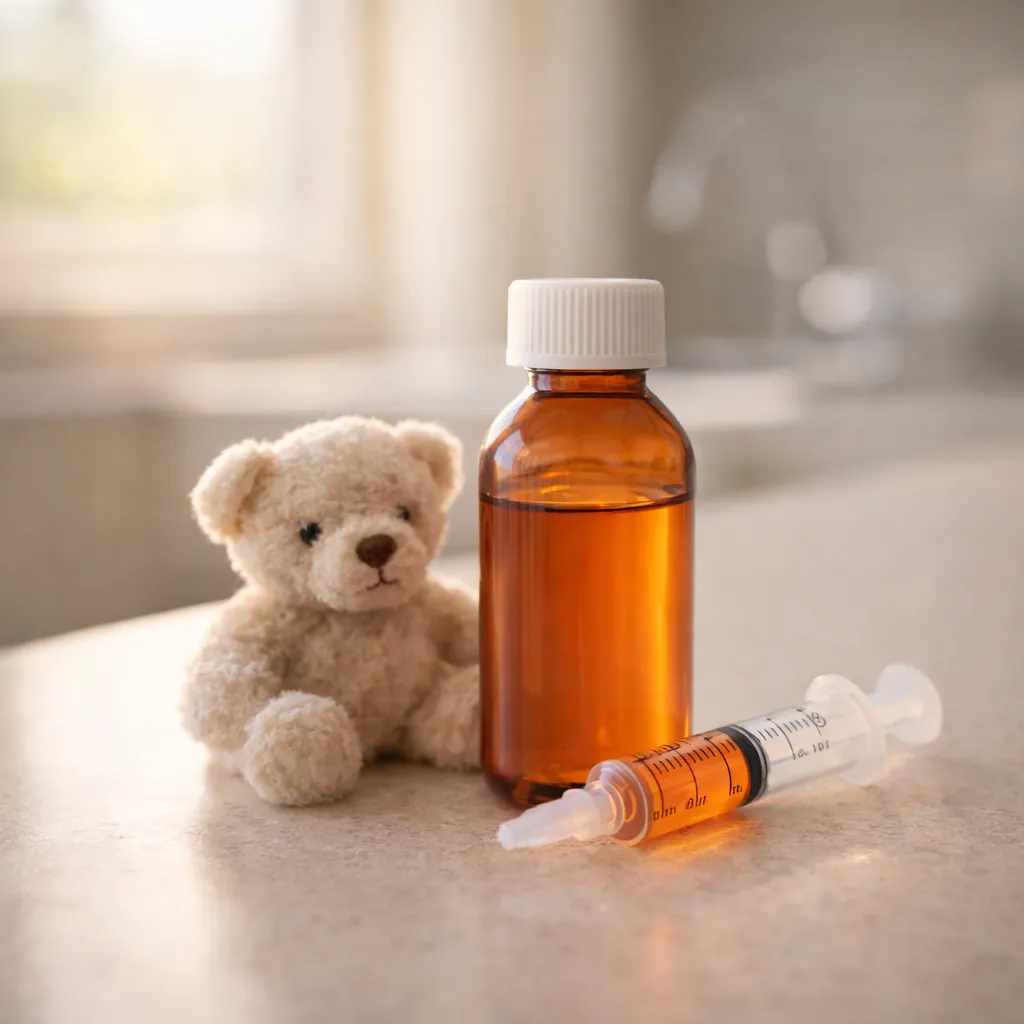
Stevens-Johnson Syndrome is rare in the general population, but children face unique vulnerabilities. Their developing metabolisms process medications differently, they depend on parents and caregivers to recognize symptoms, and the medications most commonly prescribed to children — anticonvulsants, antibiotics, and NSAIDs — are among the most frequent SJS triggers. If your child developed SJS after taking a prescribed medication, understanding these risks is the first step toward understanding your legal options. This article is part of The Legal Examiner's Stevens-Johnson Syndrome legal resource center.
Why Children Are at Higher Risk for SJS
Children are not small adults when it comes to drug reactions. Their metabolic pathways are still developing, which affects how medications are absorbed, distributed, and eliminated. This creates a heightened vulnerability to adverse drug reactions, including SJS and its more severe form, toxic epidermal necrolysis (TEN).
Several factors contribute to elevated pediatric risk:
- Immature hepatic metabolism. Children's livers process certain drugs more slowly, which can increase drug exposure at the cellular level. This is particularly relevant for medications like lamotrigine, where dosing errors in children are a documented cause of SJS.
- Higher prescribing rates for high-risk medications. Anticonvulsants like carbamazepine and lamotrigine are commonly prescribed to children for epilepsy and mood disorders — and both carry FDA boxed warnings for SJS risk.
- Genetic susceptibility. The HLA-B*1502 allele, prevalent in populations of Southeast Asian descent, dramatically increases the risk of carbamazepine-induced SJS. The FDA recommends genetic screening before prescribing carbamazepine to patients with at-risk ancestry — but this screening is frequently skipped in pediatric settings.
- Infectious triggers. Unlike adults, children can develop SJS from infections — particularly Mycoplasma pneumoniae, a common cause of walking pneumonia in school-age children. This infection-triggered variant, called Mycoplasma-induced rash and mucositis (MIRM), tends to involve severe mucous membrane inflammation.
According to research published in the Journal of the American Academy of Dermatology, the incidence of SJS in US children is approximately 5.3 cases per million per year — and the actual rate may be higher due to misdiagnosis.
How SJS Presents Differently in Children
Recognizing SJS in children is difficult because the early symptoms overlap with common childhood illnesses. A child developing SJS may initially appear to have the flu, a viral rash, or an allergic reaction. This diagnostic confusion can delay treatment during the critical early hours.
Early warning signs in children
- Unexplained high fever (often above 101°F) that develops after starting a new medication
- Painful mouth sores that make eating and drinking difficult
- Red or bloodshot eyes, sometimes with discharge
- A spreading skin rash that blisters, especially on the face and trunk
- Pain or burning sensation on the skin, disproportionate to visible symptoms
- Flu-like fatigue and body aches
What makes pediatric SJS different
- More mucosal involvement. Children with SJS tend to have more severe involvement of the eyes, mouth, and genital mucous membranes compared to adults.
- Higher misdiagnosis rate. Pediatric SJS is commonly confused with Kawasaki disease, viral exanthems, erythema multiforme, hand-foot-and-mouth disease, and staphylococcal scalded skin syndrome. A child presenting with fever and rash in an ER may not trigger SJS evaluation unless the treating physician connects the symptoms to a recently prescribed medication.
- Non-drug triggers. While medications cause the majority of adult SJS, Mycoplasma pneumoniae infections account for a meaningful percentage of pediatric cases. A physician who only screens for drug reactions may miss an infection-driven case entirely.
If your child was prescribed a new medication and developed these symptoms — and the treating physician attributed it to a viral illness or allergy without investigating further — that diagnostic failure may constitute a deviation from the standard of care.
The Standard of Care for Pediatric Prescribing
When a physician prescribes a medication with known SJS risk to a child, the standard of care requires specific safeguards that go beyond what might be expected for an adult patient.
What physicians should do before prescribing
- Review the child's medication history. Prior adverse drug reactions — especially rashes — should trigger heightened caution. A child who has had a previous reaction to one anticonvulsant is at increased risk for SJS from related drugs.
- Consider genetic screening. For carbamazepine and related medications, FDA guidance recommends HLA-B*1502 screening in patients of Southeast Asian, South Asian, and other at-risk ancestries. Failure to order this test when indicated can be the basis of a negligence claim.
- Use appropriate dosing protocols. Lamotrigine's FDA label specifically warns that the risk of SJS in children increases with dosing errors — particularly when the drug is titrated too quickly or co-prescribed with valproate without dose adjustment.
- Provide informed consent to parents. Parents must be told about SJS risk, what symptoms to watch for, and when to seek emergency care. A prescribing physician who fails to warn parents has potentially breached the duty of informed consent.
What emergency physicians should do when symptoms appear
- Immediately suspect SJS when a child presents with fever, skin pain, and mucosal lesions within 1–3 weeks of starting a new medication
- Stop the suspected drug immediately. Every hour of continued drug exposure after symptom onset increases the severity of the reaction
- Transfer to a burn center. The American Burn Association recognizes SJS/TEN as a burn center referral criterion. Children with SJS/TEN receive better outcomes when treated in specialized facilities with interdisciplinary wound care teams
- Initiate supportive care including IV fluids, pain management, and ophthalmology consultation
Long-Term Consequences for Children
SJS does not end when the skin heals. Children who survive SJS and TEN frequently face long-term medical complications that affect their physical development, vision, and psychological well-being.
Ocular damage
Eye complications are the most common and devastating long-term consequence. According to a comprehensive review in Ophthalmology and Therapy, 40% to 84% of SJS/TEN patients experience chronic ocular complications including:
- Chronic dry eye syndrome
- Corneal scarring and vision loss
- Limbal stem cell deficiency (progressive corneal deterioration)
- Lid margin keratinization
- In severe cases, partial or complete blindness
For children, these complications can affect academic performance, social development, and lifelong independence.
Skin and scarring
- Permanent skin discoloration and texture changes
- Sensitivity to sunlight requiring lifelong UV protection
- Nail dystrophy and hair loss
Psychological impact
Children who survive SJS often experience:
- Post-traumatic stress disorder (PTSD), particularly related to the acute hospitalization
- Anxiety around taking medications
- Depression related to scarring and appearance changes
- Social isolation, especially in school-age children
The Stevens-Johnson Syndrome Foundation provides support groups specifically for families of children with SJS, recognizing the unique psychological challenges these families face.
Legal Options for Parents
When a child develops SJS due to medical negligence, prescribing errors, or inadequate warnings, parents have several legal avenues to pursue.
Medical malpractice claims
A malpractice claim may apply when:
- A physician prescribed a high-risk medication without appropriate screening or warnings
- An ER physician failed to recognize SJS symptoms and continued the offending medication
- A specialist failed to follow dosing protocols (e.g., titrating lamotrigine too quickly)
- A physician failed to order genetic testing when the child's ancestry indicated elevated risk
These claims require establishing that the physician deviated from the accepted standard of care and that this deviation caused or worsened the child's SJS.
Product liability claims
When the drug itself is the problem — for example, if the manufacturer failed to adequately warn about pediatric SJS risk on the label — a product liability claim may be appropriate. This is a separate legal theory from malpractice and targets the pharmaceutical manufacturer rather than the prescribing physician.
Who files the claim
A parent or legal guardian files on behalf of the child. In most jurisdictions, the court appoints a guardian ad litem — an independent advocate whose sole responsibility is protecting the child's legal interests throughout the litigation.
Statutes of Limitations for Minors
One critical advantage in pediatric SJS cases is the tolling of the statute of limitations. In most states, the statute of limitations clock does not begin running until the child reaches the age of majority (typically 18).
This means:
- Extended filing deadlines. While an adult SJS claim might need to be filed within 2–3 years of the injury, a child's claim may remain viable for years longer. In many states, the child has until age 20 or 21 to file.
- Discovery rule still applies. If the connection between the medication and SJS was not immediately apparent, the clock may start even later — from the date the injury was or should have been discovered.
- State-by-state variation. Tolling rules vary significantly. Some states cap the extension regardless of the child's age. Others have special provisions for medical malpractice claims involving very young children.
This is important to understand: Even if years have passed since your child's SJS episode, the statute of limitations may not have expired. An attorney experienced in pediatric medical injury cases can evaluate whether your claim is still timely under your state's specific rules.
Damages in Pediatric SJS Cases
Damages in children's SJS cases often exceed those in adult cases because of the extended time horizon. A child who suffers permanent vision damage or disfiguring scarring will live with those consequences for decades longer than an adult with the same injuries.
Types of damages
- Medical expenses. Acute hospitalization (often in a burn unit), surgeries, ophthalmology care, dermatologic treatment, and ongoing specialist visits. For children, these costs must account for a lifetime of follow-up care.
- Future earning capacity. If SJS causes permanent disability — particularly vision loss — the claim must project the income the child would have earned over a full working life.
- Life care plan. A comprehensive plan projecting the child's lifetime medical, therapeutic, and support needs. This is often prepared by a life care planning expert and is central to calculating future damages.
- Pain and suffering. Acute SJS is extraordinarily painful. Children endure wound care, debridement, and prolonged ICU stays. Ongoing suffering from chronic dry eye, light sensitivity, and scarring compounds these damages.
- Psychological damages. PTSD, medication anxiety, social challenges, and the impact of disfigurement on a developing child's self-image.
What Parents Should Do If They Suspect SJS
If your child has developed SJS or you believe a past diagnosis may have been missed or delayed, these steps can protect both your child's health and your legal options.
Preserve all medical records. Request complete records from every provider involved — the prescribing physician, the ER, the hospital, any specialists. Include pharmacy records showing exactly what was dispensed and when.
Document the timeline. Record when the medication was prescribed, when symptoms first appeared, when you sought medical attention, and what each provider told you. Photographs of the skin involvement at each stage are powerful evidence.
Do not discard medications. Keep the original prescription bottles, packaging, and any remaining medication. These may be relevant to a product liability claim.
Consult a pediatric ophthalmologist. Even if your child's eyes appear to have recovered, subclinical damage may be progressing. Early intervention can prevent worsening vision loss.
Talk to an SJS attorney. Pediatric SJS cases involve complex intersections of medical malpractice, product liability, and specialized damages calculations. Attorneys at Childers, Schlueter & Smith focus on SJS cases and understand the unique legal considerations when a child is the patient.
When Both Prescribing and Diagnostic Failures Occur
In many pediatric SJS cases, liability falls on multiple parties. A prescribing physician may have failed to warn parents about SJS risk, while an ER physician may have misdiagnosed the early symptoms as a viral illness — extending the child's exposure to the offending drug.
When prescribing negligence and diagnostic failure combine, the legal claim becomes stronger but more complex. Each defendant may try to shift blame to the other. An experienced attorney can identify all responsible parties and pursue claims against each.
This article is part of The Legal Examiner's Stevens-Johnson Syndrome legal resource center. It was produced in collaboration with Childers, Schlueter & Smith, a national law firm representing SJS patients and families. The information provided is educational and does not constitute legal advice. For case-specific guidance, consult a qualified attorney.


