Many people don’t realize is that there are gaps in artificial intelligence regulations, some of which allow infringement on civil rights. That can include housing and employment opportunities.
It’s not often you see a Chief Justice of a state Supreme Court apologize for making a mistake. But that’s exactly what recently happened in Florida after the Florida Board of Bar Examiners recommended cancelling a scheduled on-line Bar exam just days before the test.
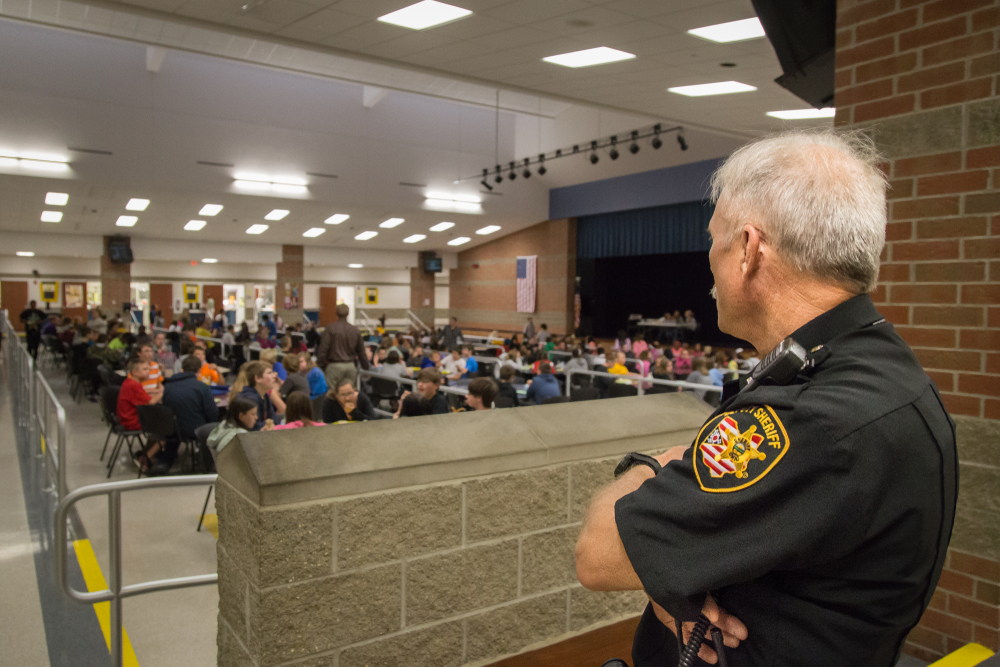
Posting armed police in public schools does not make schools safer, concludes a recent study of law enforcement in Florida schools. The study focuses on Florida schools, which are required by state law to have armed law enforcement officers on all campuses, even at elementary schools.
When a crisis rears its head and government and the tech community invent ways to handle it, lots of personal data is collected and stored. What happens to that data once an emergency passes? What happens to the technologies used to collect it? What civil liberties are at risk?
Perhaps you’ve had this fear. You are driving on a highway. You look in the rearview mirror, and a large truck, weighing several tons more than your car, is speeding towards you. For a minute, you panic, envisioning the truck plowing into you. If statistics…
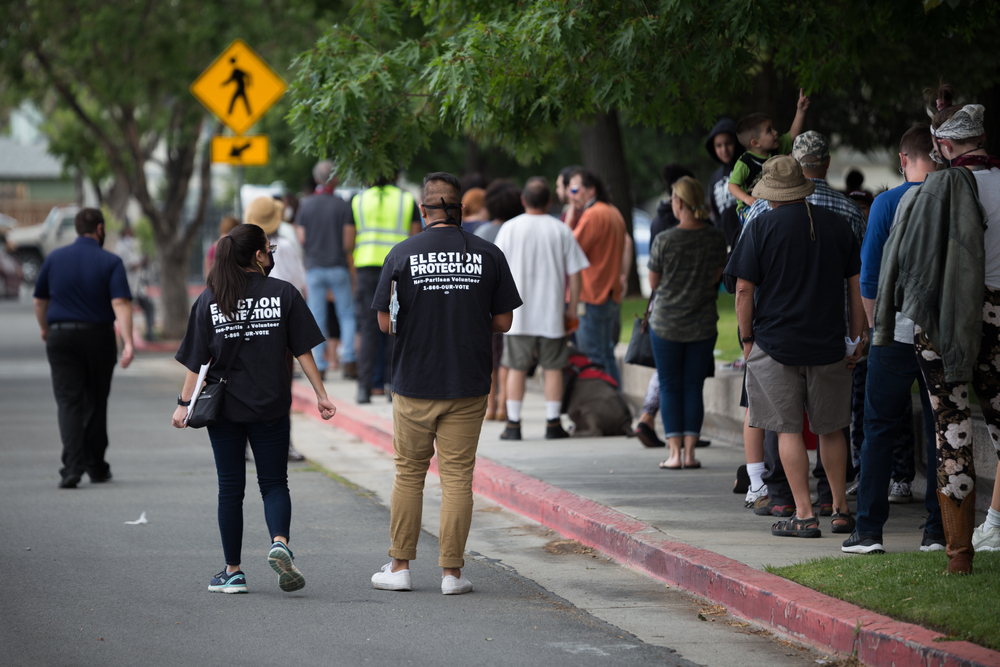
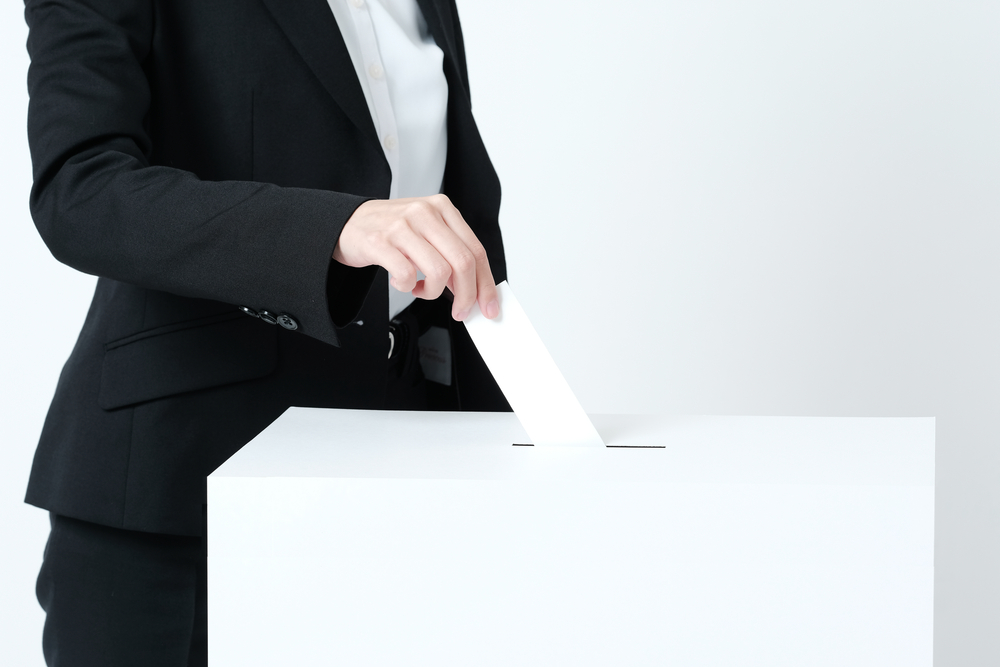
As the election gets closer, there's a big question about voting safety. Many will vote by mail but some want the certainty that voting in person provides.
As the country comes to grips with systemic racism, experts say one overlooked avenue for reform is the way judges are selected across the U.S., notably judicial elections.
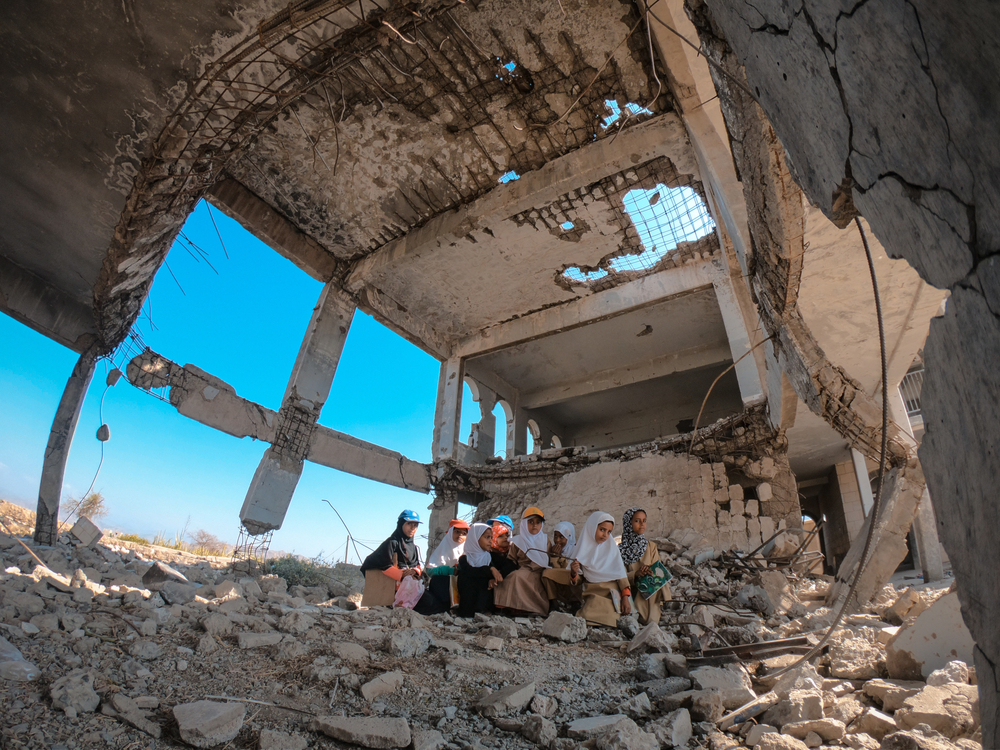
Proving war crimes can be a long, tedious process, involving people spending many hours scouring thousands of images from war-torn countries like Yemen. Human rights groups across the globe are working to incorporate artificial intelligence into the process to speed up the time it takes to present e
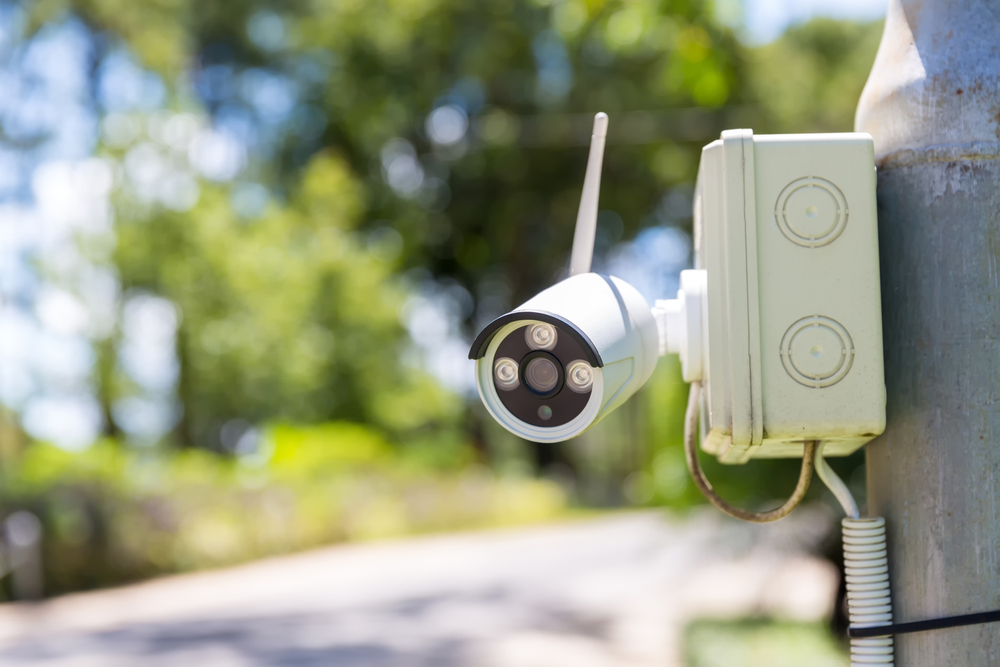
Can police mount surveillance cameras on phone and utility poles outside your house and watch your every move? Not in Massachusetts, at least not for extended periods.
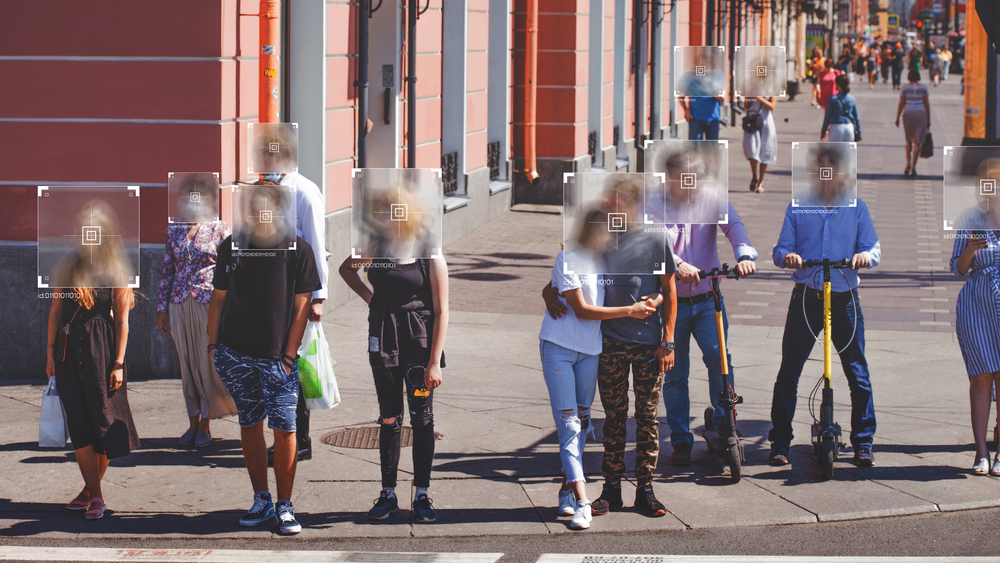
The U.S. may see a decline in the use of certain technologies used by law enforcement, including facial recognition, as calls for reimagining policing continue to grow.
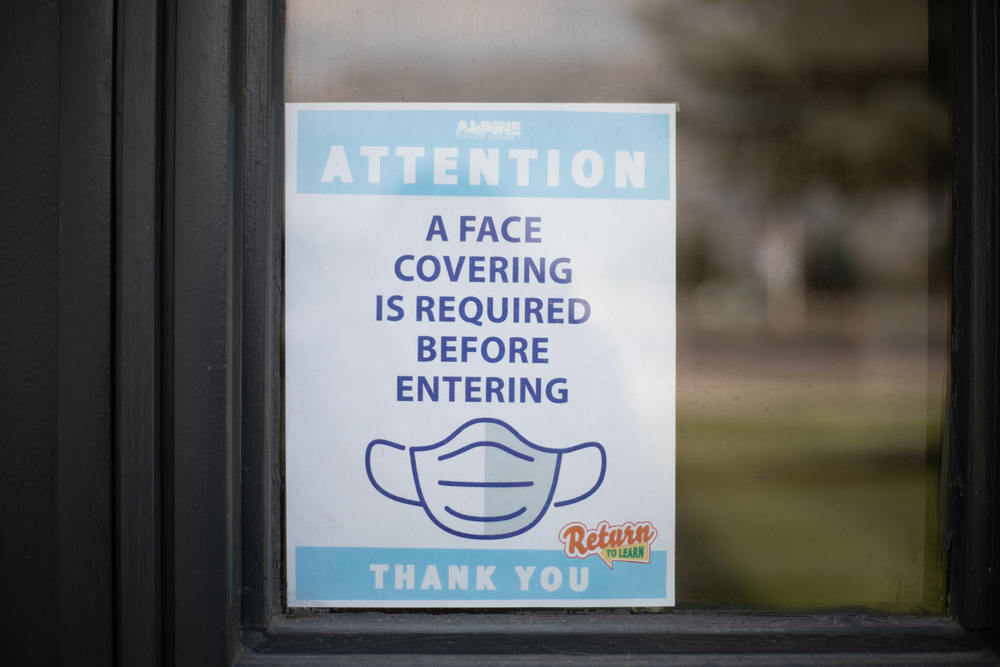
Twitter is awash with examples of people refusing to wear face masks in stores, businesses posting signs flouting local mask mandates and patrons sporting badges with legal-ese claiming they’re exempt from mask-wearing. But the law is largely on the side of the mandates.