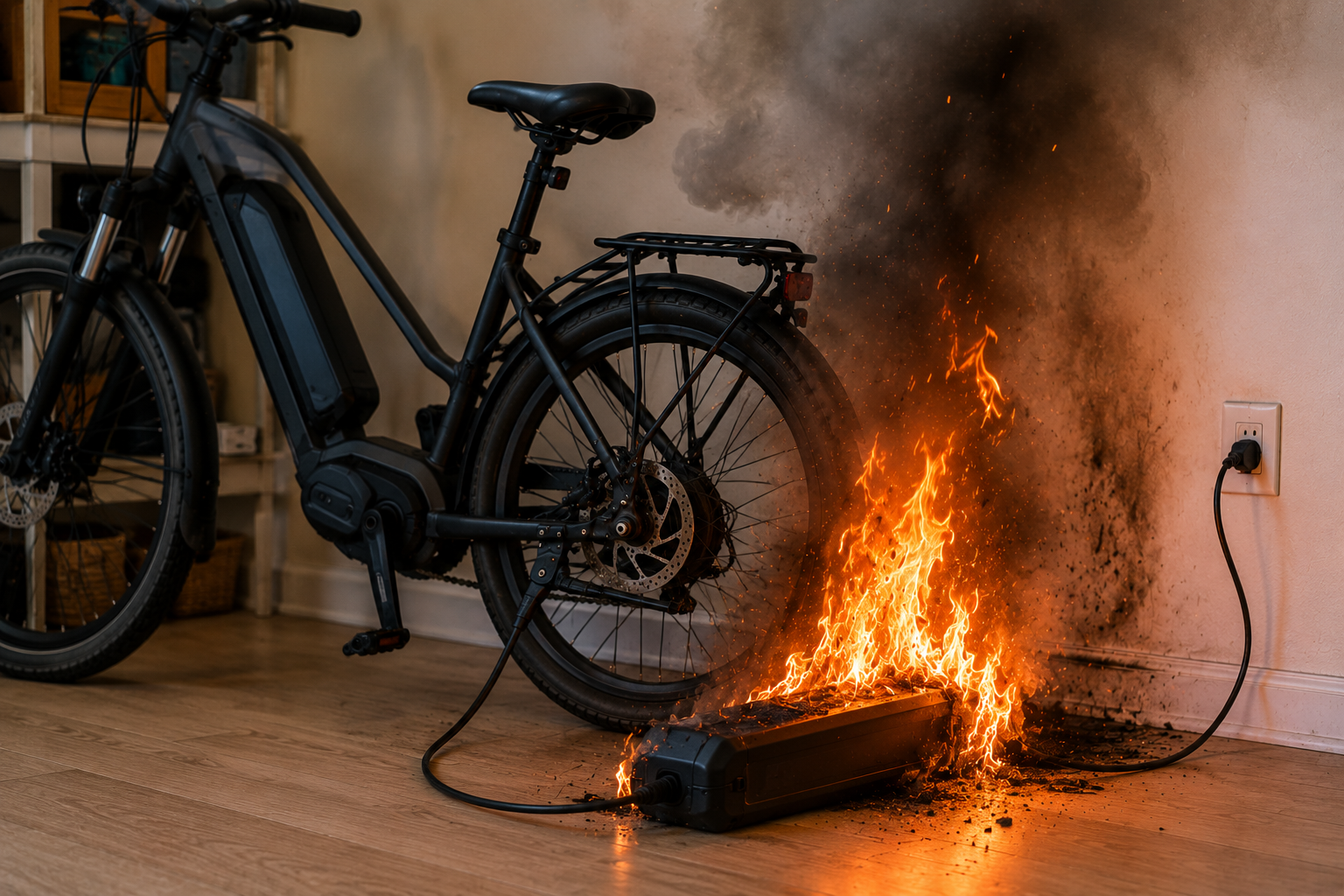
San Francisco's proposed restrictions on uncertified lithium-ion batteries follow a growing number of fires. Learn what causes e-bike battery explosions, who may be liable for burn injuries, and how California product liability law may apply after a defective battery fire.
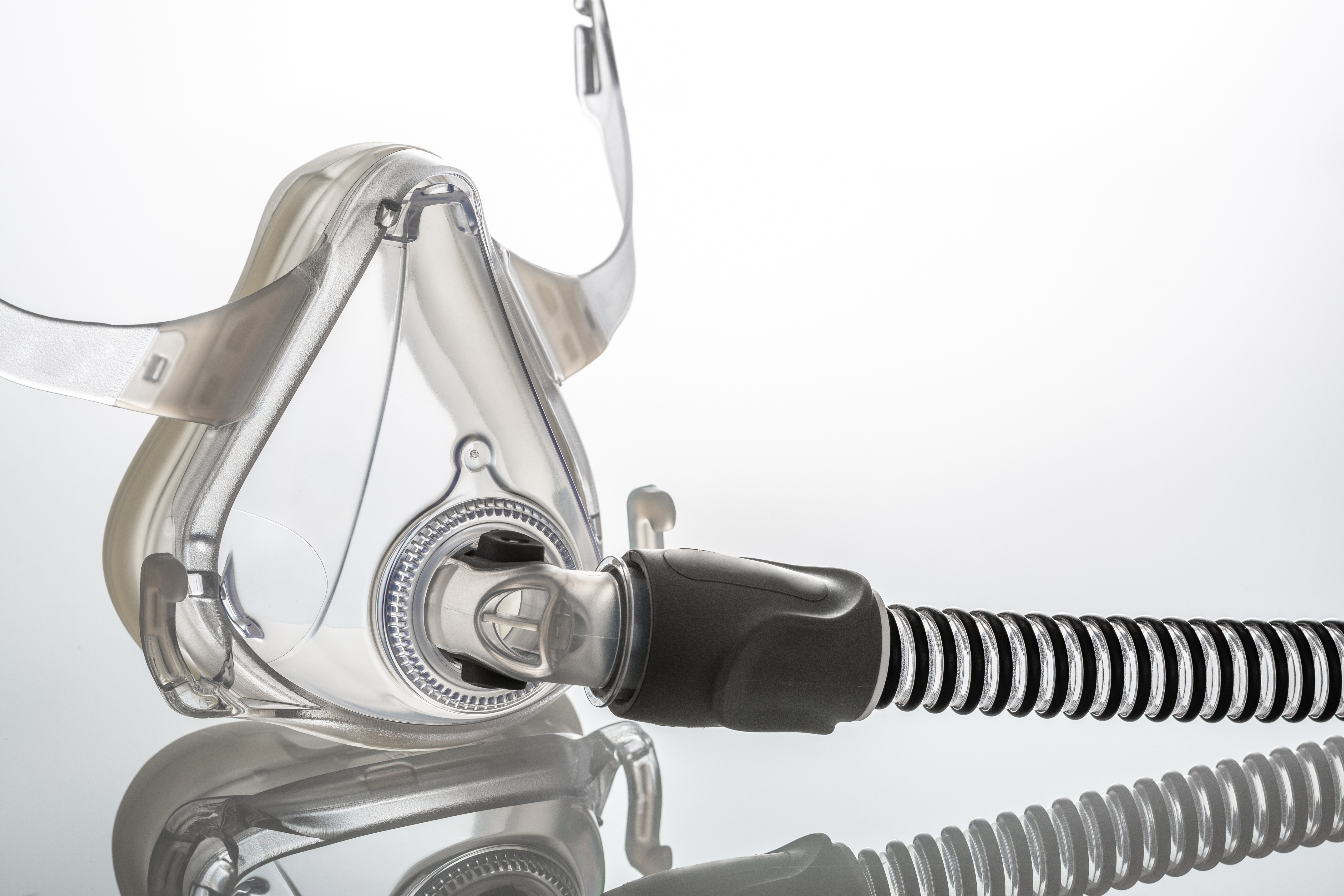
Years after Philips recalled millions of CPAP and BiPAP devices, settlement payments are now being distributed. Learn what this means for patients and families after years of nationwide litigation.
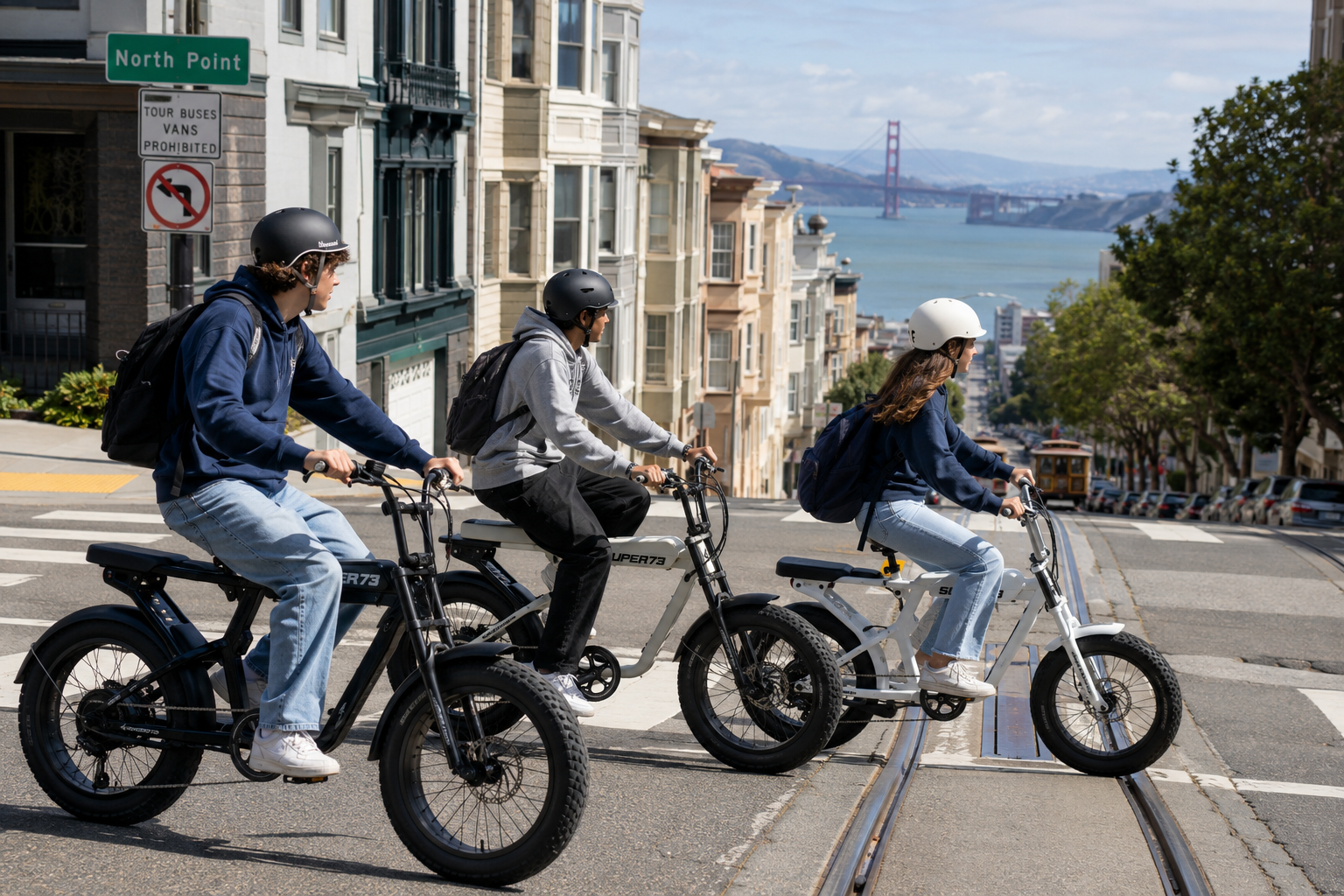
With serious electric bicycle injuries involving young riders on the rise, California communities are taking action. San Francisco bicycle accident attorney Claude Wyle looks at the risks children and teens face and why new safety rules are being adopted.
Trump fired the remaining three EAC leaders just two weeks after the Supreme Court expanded presidential removal powers. Learn what the EAC does, why the firings matter, and whether they could affect election security, voting guidance, and the 2026 midterms.
Recent Waymo recalls involving flooded roads and closed construction zones highlight the challenges self-driving cars can face in unpredictable conditions and why vehicle technology may matter after a crash.