Katherine Snow Smith, a UNC–Chapel Hill graduate, has covered business, parenting, and the arts. She worked at the Greenville News and Charlotte Business Journal before spending 23 years at the Tampa Bay Times as reporter, columnist, and editor.
College students forced into online classes are suing colleges, saying the classes aren't as good as in person. Experts say that might be a tough sell.
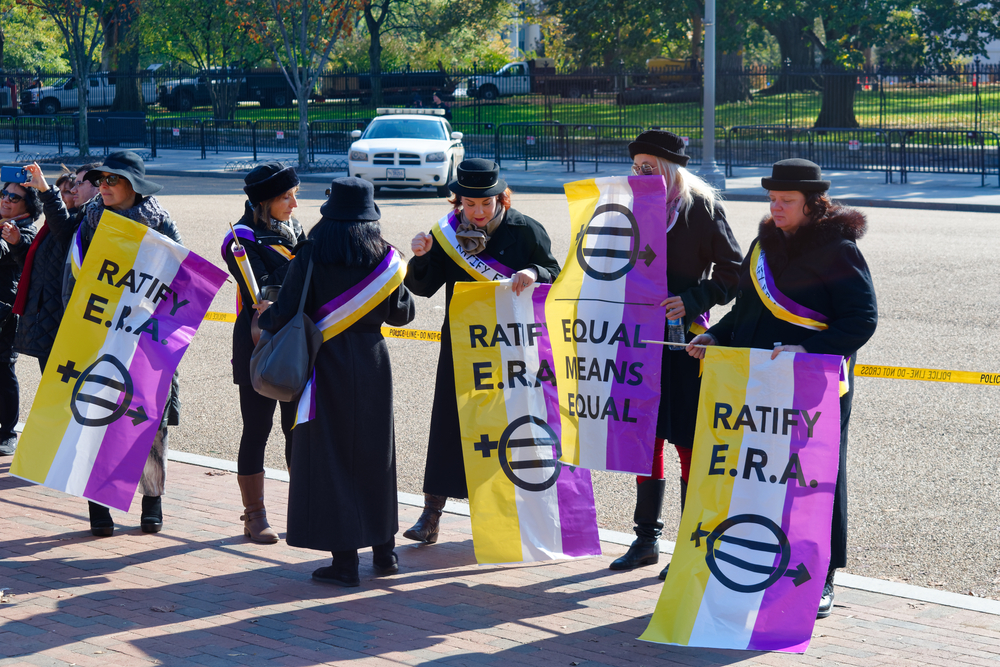
Exactly 100 years ago this month, the passage of the 19th Amendment gave women the right to vote. The Equal Rights Amendment, stating men and women shall have equal rights
Phyllis Schlafly, the driving force to putting the brakes on the Equal Rights Amendment, was a powerful conservative voice for seven decades. Six months before she died in 2016, Schlafly
As the COVID-19 pandemic has made many people hesitant to go out to bars and restaurants, more are hosting small gatherings at home.
Graduation parties take place on front porches
As the five-year anniversary of the Supreme Court ruling in favor of same sex marriage is celebrated along with the court’s June ruling prohibiting employee discrimination based on sexual
China, the first country to quarantine residents due to the coronavirus, is now seeing record high divorce filings, according to media reports. Legal observers and mental health practitioners in the
Legal Examiner reporter Katherine Snow Smith interviewed Professor Richard S. Frase from the University of Minnesota Law School to get his breakdown and analysis of the charges against the four police officers involved in George Floyd’s death. Frase is a criminal law professor and co-director of the
As the world follows the aftermath of George Floyd’s death in Minneapolis, questions arise about how this extremely high profile case will play out in court. Will a plea agreement keep it from even going to trial? How will a judge seat a jury of 12 fair and unbiased jurors? What tactics will the pro
There are several qualifications for having a record of arrest expunged or sealed, but the proliferation of data companies today means arrests aren’t buried nearly as deeply as they once were.